

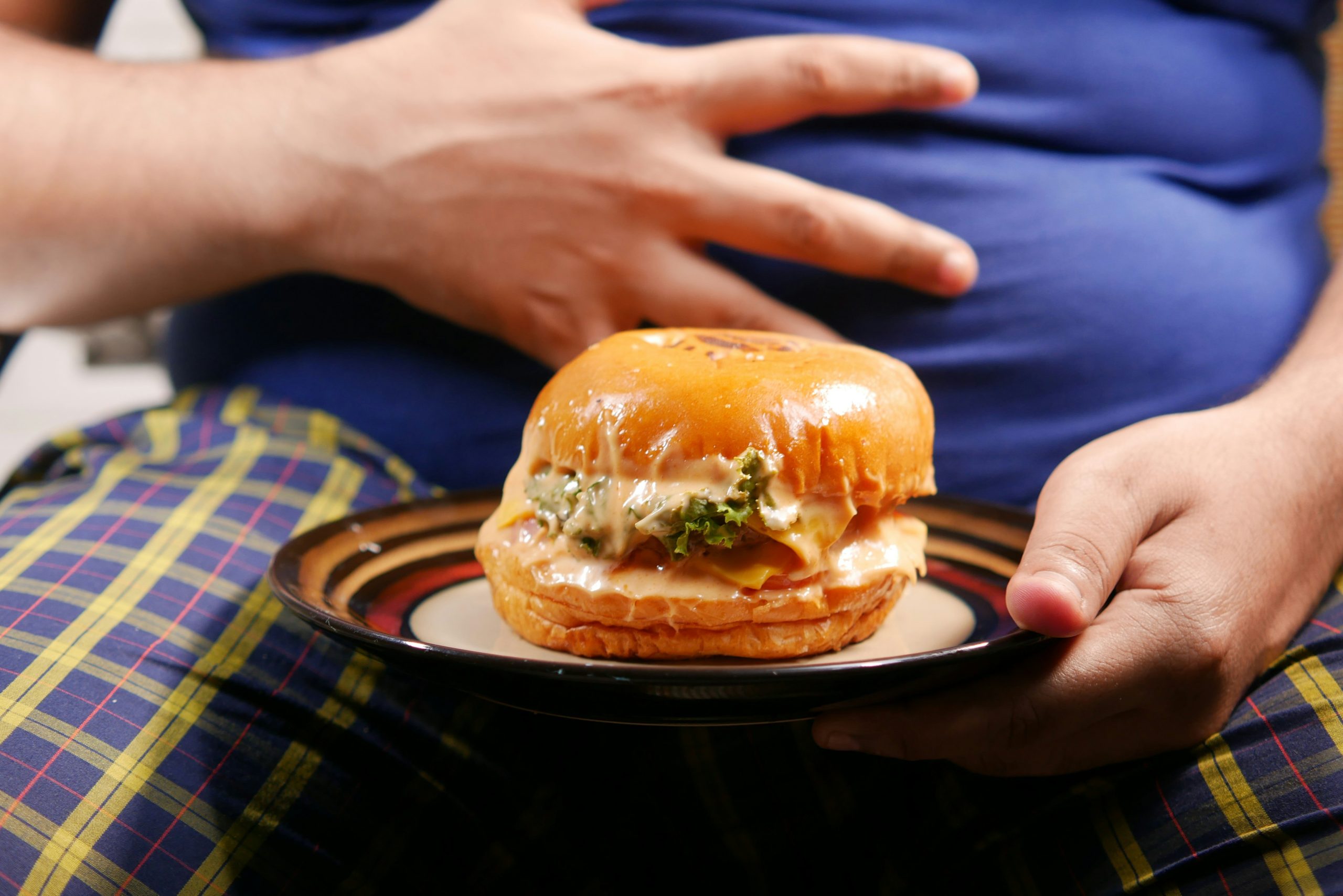
Or: Everything You Think You Know About Losing Belly Fat Is Wrong, and Here’s Why You Should Care
Part I: Meet Cortisol – Your Body’s Overzealous Security Guard
Let’s start with the villain of our story. Cortisol. Sounds harmless enough, doesn’t it? Almost like a new brand of probiotic yogurt or maybe a Swedish furniture line. In reality, cortisol is your body’s built-in alarm system, basically the hormonal version of that neighbor who calls the police if you park just a bit over the line.
Here’s the thing about cortisol: it’s not inherently evil. In small doses, it’s actually useful. It wakes you up in the morning, gives you energy to run from tigers (or, more likely, catch the train), and helps regulate your blood pressure. Your body produces it through the adrenal glands, and in normal amounts, it’s as harmless as a glass of water.
But here’s where the trouble starts, especially for those of us who’ve celebrated our 50th birthday and are now wondering why our belt keeps mysteriously shrinking.
When stress becomes chronic, and let’s be honest, if you’re over 50, your stress is probably chronic, what with the mortgage, the adult children who still live at home, the aging parents, and the creeping realization that you’ve become your father, cortisol stays elevated. And when cortisol stays elevated, it does what any overworked security guard would do: it starts taking its job way too seriously.
Instead of a reasonable response to occasional threats, your body now operates in permanent DEFCON 1. Your adrenal glands are working overtime like a kitchen staff during Sunday brunch, pumping out cortisol like it’s going out of style. And this, my friends, is where the belly conspiracy begins.
Part II: The Visceral Villain – Why This Isn’t Your Average Beer Gut
Now, before we go any further, we need to distinguish between the two types of belly fat, because trust me, they are not created equal.
Subcutaneous fat is the jiggly stuff just under your skin. It’s the pinchable, grabable, “I can still fit into my jeans if I don’t breathe too deeply” fat. It’s the fat you see in the mirror and solemnly swear to eliminate starting Monday (we both know Monday never comes).
Visceral fat, on the other hand, is the fat you can’t see. It’s the fat that wraps itself around your internal organs like a particularly clingy scarf in January. It’s tucked deep inside your abdominal cavity, snug against your liver, intestines, and pancreas, whispering sweet nothings about insulin resistance and cardiovascular disease.
And guess which one cortisol loves most? You guessed it. Visceral fat has significantly more cortisol receptors than subcutaneous fat. Translation: your body is actively choosing to store dangerous fat around your organs every time you stress about whether you remembered to take the trash out. This fat doesn’t just make you look like you’ve swallowed a beach ball, it actively secretes inflammatory molecules that increase your risk of heart disease, type 2 diabetes, and a host of other conditions that your doctor has been gently warning you about for the past decade.
The cruel irony? Visceral fat is biologically active. It’s not just sitting there being decorative. It’s producing hormones and inflammatory markers, basically throwing a party in your abdominal cavity that nobody invited you to. And cortisol is the DJ.
Part III: The Perfect Storm – Why Your 50s Are the Danger Zone
You’re over 50. Congratulations. You’ve survived. But your body has some news for you: it’s changing, and not in the way that involves learning to play the ukulele or taking up watercolor painting.
The Testosterone Tumble. Let’s address the elephant in the room, or rather, the elephant that used to be in your gym bag. Testosterone naturally declines with age. By the time you hit 50, it’s on a gentle slide downward, like a kid on a playground swing, except this swing doesn’t come back up. Lower testosterone means less muscle mass, slower metabolism, and, you guessed it, more fat storage, particularly in that belly region.
Insulin Resistance. This is the party favor nobody wants. As you age, your cells become less responsive to insulin, the hormone that helps manage blood sugar. Your pancreas works harder, pumping out more insulin to keep things in check. High insulin levels promote fat storage and inhibit fat burning. It’s like your body has hired a parking attendant who refuses to let any cars leave the lot.
The Stress Spiral. Here’s where cortisol makes its grand entrance. Chronic stress leads to cortisol elevation. Cortisol elevation leads to increased appetite, particularly for high-calorie comfort foods. You eat more. You store more. You stress about your belly. Your cortisol goes up again. It’s a feedback loop that would make a systems engineer weep.
And let’s not forget lifestyle. You’re busier than ever, but somehow also tired all the time. You work hard, commute hard, and your idea of a workout is walking from the couch to the fridge during commercials. Your sleep quality? Questionable at best. You wake up at 3 AM wondering why you took that job twenty years ago, and then you fall asleep just as the alarm goes off.
Part IV: The Mythical Beast – What Doesn’t Work (And You Already Knew That)
Before we discuss solutions, let’s take a moment to address the nonsense that’s floating around the internet like so much digital belly fluff.
“Spot reduction” is a lie. There is no exercise that specifically targets belly fat. Zero. Crunches will give you stronger abdominal muscles, which is great, you’ll have some rock-hard abs hidden under a layer of padding. But they won’t melt belly fat. The fat comes off from all over your body in a pattern determined largely by genetics and hormones. That’s it. You can crunch until you can’t sit up straight, and that beer belly will still be there, taunting you.
Starvation diets will betray you. Reducing calories drastically will initially make you lose weight, mostly water and muscle, with a stubbornly resilient layer of visceral fat. Your body, sensing famine, lowers your metabolism and holds onto that precious fat. The moment you eat normally again, your body packs on more fat than before, in anticipation of the next “famine.” Congratulations, you’ve just created a yo-yo effect that’s harder on your body than doing nothing at all.
Miracle pills and magic teas. You can spend your retirement savings on supplements promising to melt belly fat. You’ll end up with lighter pockets and the same belly. There is no scientific evidence that any supplement significantly reduces visceral fat in the absence of lifestyle changes. Save your money. Buy a good pair of walking shoes instead.
The “doom and gloom” approach. Some experts will tell you it’s hopeless after 50, that your metabolism is irrevocably broken, and you might as well embrace the dad bod. This is also nonsense. It’s harder, yes. It requires more effort and more consistency. But it is absolutely not impossible, and anyone telling you otherwise is probably trying to sell you something.
Part V: The Actual Solution – What Science Actually Says Works
All right, we’ve done the doom and gloom. Now let’s talk about what actually, scientifically, realistically works for men over 50 trying to reduce visceral fat and get their cortisol under control. Spoiler alert: it involves effort, but not the kind that requires you to run marathons or subsist on celery sticks.
Strategy 1: Sleep Like You Actually Mean It
This is not optional. It is not a suggestion. Sleep is the single most underrated tool in your fat-loss arsenal. When you don’t get enough sleep, two things happen: cortisol goes up, and your hunger hormones go haywire. Ghrelin (the “feed me” hormone) spikes. Leptin (the “I’m full” hormone) plummets.
Aim for 7 to 9 hours of quality sleep. And no, sleeping on the couch while pretending to watch a documentary doesn’t count. Create a consistent bedtime routine. Your bedroom should be dark, cool, and quiet. No screens an hour before bed. You know, all the things you’ve been ignoring for forty years.
The first week of getting serious about sleep, you’ll feel like you’re on vacation. Within a month, your cortisol levels will start to normalize. And yes, your belly will notice.
Strategy 2: Manage Stress Like an Adult (Not a Teenager)
Here’s where the sarcasm has to take a backseat, because this is genuinely important. Chronic stress management isn’t about becoming a Zen master or moving to a monastery (unless that’s genuinely your vibe, in which case, go for it).
It’s about finding small, sustainable practices that lower your stress response. This could be:
- Mindfulness meditation for 10 minutes a day. It sounds granola, but it works. The body’s fight-or-flight response calms down. Cortisol goes with it.
- Deep breathing exercises, like the 4-7-8 technique: breathe in for 4 seconds, hold for 7, exhale for 8. This activates the parasympathetic nervous system, your body’s “rest and digest” response.
- Exercise, but we’ll get to that in a moment.
- Hobbies that aren’t work-related. Yes, watching football is a hobby. So is woodworking, fishing, painting miniatures, building model trains, or whatever gets you out of your head and into the moment.
- Limiting alcohol and caffeine. Both can spike cortisol. I’m not saying quit entirely, because I’m not a monster, but maybe ease up on that third espresso.
The goal is to lower baseline cortisol levels. When cortisol is manageable, your body stops hoarding visceral fat like a doomsday prepper hoarding canned beans.
Strategy 3: Eat Smart, Not Starving
We’re not doing diets. We’re doing a lifestyle. And the lifestyle involves, wait for it, eating food. Real food.
The magic formula for cortisol control and fat loss:
- Protein at every meal – 25 to 35 grams. Protein stabilizes blood sugar, reduces cravings, and increases satiety. It also requires more energy to digest, which burns calories. Protein is the MVP of your midlife diet.
- Healthy fats – not a dirty word. Avocados, olive oil, nuts, fatty fish, eggs. Healthy fats support hormone production. They keep you full. They don’t make you fat, no matter what the 90s told you. It’s sugar that’s the enemy.
- Complex carbohydrates – the good ones. Vegetables, legumes, whole grains. These provide steady energy and don’t send your blood sugar on a rollercoaster ride. The 3 PM donut is a betrayal of everything your body stands for.
- Fiber, fiber, fiber – it keeps your digestion smooth and lowers overall inflammation. Vegetables are your new best friend. Embrace it.
And this is important: do not eat in front of screens. When you’re distracted, you eat more and your body doesn’t register fullness effectively. Sit down, eat mindfully, enjoy it. This is not punishment; it’s nourishment.
Strategy 4: Exercise with Purpose, Not Punishment
For men over 50, the exercise paradigm is different. It’s not about running yourself into the ground or lifting heavy until you can’t walk.
The most effective approach is:
- Strength training 2-3 times per week. This builds muscle, and muscle increases metabolism. More muscle = more calories burned = less fat stored. Compound exercises (squats, deadlifts, rows, presses) are your best investment.
- Moderate-intensity cardio – think brisk walking, cycling, swimming, or jogging at a pace where you can hold a conversation. 150 minutes per week is the sweet spot. This helps reduce visceral fat without spiking cortisol the way high-intensity interval training (HIIT) might in some individuals.
- Low-intensity movement throughout the day – walking, standing, stretching, taking the stairs. Sitting kills. Moving saves. It’s not complicated.
Warning: High-intensity exercise can actually raise cortisol levels if you’re doing too much of it. Listen to your body. You’re not a 20-year-old on a battlefield; you’re a grown man with a mission.
Part VI: The Bottom Line – Consistency Over Perfection
Here’s the truth that nobody likes to tell you: there is no magic bullet. No shortcut. No secret pill.
But there is a path. It involves consistent, daily habits that manage stress, optimize sleep, support healthy eating, and promote movement. It involves reducing cortisol through lifestyle, not through willpower alone. It involves accepting that progress will be slow and incremental, and that’s okay.
We can’t control every stressor in our lives. But we can control our response to them. We can choose to prioritize sleep. We can choose to eat real food. We can choose to move our bodies and find joy in that movement. We can choose to breathe deeply and release the tension that’s been living in our shoulders for the past two decades.
And when we do those things, cortisol starts to calm down. Insulin starts to work better. Testosterone levels hold steady. Inflammation decreases. And that visceral fat begins to slowly, gradually, grudgingly release its grip.
Will you ever have a six-pack like a 25-year-old influencer? Probably not. But you don’t need to. The goal isn’t aesthetic perfection. The goal is health, more energy, better quality of life, freedom from the tyranny of a belly that makes you feel old and out of control.
It takes about 2 to 3 months to see noticeable changes. It takes the better part of a year to truly transform. The men who succeed at this don’t do it because they have incredible discipline or perfect genetics. They succeed because they treat this as a non-negotiable part of their daily routine, like brushing their teeth or drinking their morning coffee.
No excuses. No shortcuts. Just the slow, steady, satisfying process of reclaiming your body.
You got this. Now go to bed. Your cortisol is waiting.
ASHLEY HAMPTON