

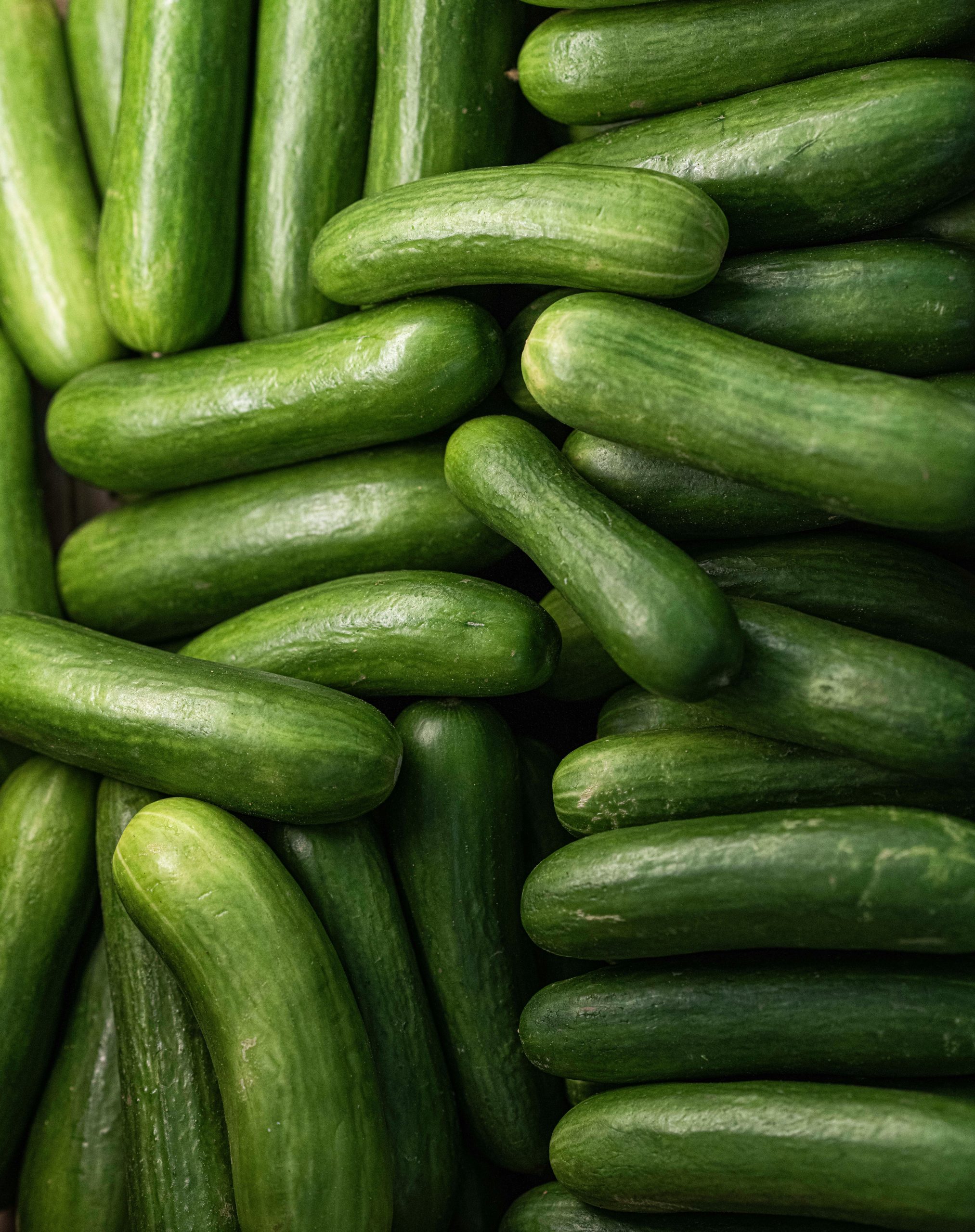
So, you’ve heard a whisper. A crunchy, watery, vaguely green whisper about a diet that claims you can lose 7 kilograms in 7 days. All you have to do is stare into the eyes of a cucumber and make it your whole personality for a week. It sounds, honestly, like something someone might come up with after one too many glasses of cucumber-infused water. But is the Cucumber Diet a real, legitimate health trend, or just a social media fever dream that’s left Iceland with a nationwide shortage of the crunchy green stuff? Let’s find out.
The “What” and “Why” of the Green Machine
First things first: the cucumber diet is, in fact, “a thing.” It’s a short-term weight loss plan, with the boldest versions using the tagline, “7 days for 7 kilograms,” promising you can drop 15 pounds in just one to two weeks. There’s no single inventor, but it’s been pushed into the spotlight by social media gurus. A well-known example is Japanese Michelin-starred chef Hiromitsu Nozaki, who reportedly lost 11kg in two months by making cucumbers a key part of his pre-meal routine. So, it’s got street cred and chef cred. But what’s the actual plan?
The concept is simple, maybe too simple. It’s a very-low-calorie diet centered around the humble cucumber, which is basically a crunchy water balloon with seeds. You’re supposed to eat cucumbers at most meals and snacks. When hunger hits, you grab a cucumber. The idea is that since they’re so low in calories, you can eat them until you’re full and still stay in a big calorie deficit. Some versions of the diet include a bit of protein—think eggs, chicken, fish, or nuts—to keep things from feeling too bleak.
A day on this diet might look something like this:
- Breakfast: 2 eggs with a mountain of sliced cucumber and spinach.
- Lunch: A tomato and cucumber salad with a bit of tuna and some brown rice.
- Dinner: Roasted chicken with a cucumber and herb salad.
- Snacks: Cucumber sticks… and more cucumber sticks.
Another version, based on the chef’s method, focuses on eating order: cucumbers first, then vegetables, then protein, and finally carbs. The goal is to fill up on low-calorie, high-fiber food to lower the chance of overeating the heavier stuff.
Does It Actually Work (Or Is It Just a Pee-ramid Scheme)?
Here’s the short answer: Yes, you’ll probably lose weight. But, and it’s a big, crunchy “but,” it’s mostly water weight and glycogen (stored carbs), not fat. The diet cuts calories so drastically—sometimes to around 800 calories a day—that you’re basically putting your body into a brief state of shock. This leads to quick weight loss, which might feel great for a short boost, but it’s not built for lasting success.
The main issue is sustainability. This diet is like the “get-rich-quick” scheme of the wellness world. It’s so restrictive that it’s nearly impossible to stick with for more than a week or two. Once you go back to a normal, balanced diet, your body will quickly refill its glycogen stores and the water weight will return. You could end up right where you started, only now haunted by the memory of eating nothing but cucumbers.
The Dark Side of the Peel: A Tale of Woe and Digestion
The downsides of the cucumber diet are more plentiful than seeds in a cucumber. For starters, it’s a nutritional mess. While cucumbers are hydrating and contain vitamins K and C, they’re missing almost everything else your body needs. They have virtually no protein, fat, iron, or zinc. Relying on them as your main food source can lead to nutrient deficiencies, fatigue, and a sense of deprivation. As experts note, a healthy diet depends on variety, not just one vegetable.
Then there’s the effect on your gut. Recent research suggests you should eat around 30 different plant foods a week for a healthy, diverse microbiome. The cucumber diet tosses that idea straight out the window. A cucumber-only approach isn’t doing your gut bacteria any favors.
And let’s not forget the side effects. Eating a huge amount of any single food can cause trouble, and cucumbers are no exception. Thanks to a viral TikTok trend where people eat an entire cucumber in one go, experts have warned that too much of this watery fruit can cause digestive issues like bloating, gas, and even diarrhea. The high fiber and water content, while fine in moderation, can send your digestive system into overdrive.
In Conclusion: To Cuke or Not to Cuke?
So, is the cucumber diet a thing? Absolutely. Is it a good thing? That’s a firm “no.”
The bottom line is that the cucumber diet is a classic fad. It promises quick results but is ultimately unsustainable, nutritionally empty, and promotes an unhealthy relationship with food. It’s a crash diet that might work for a short-term goal, but it won’t deliver lasting health or weight management.
The real winners here are the cucumbers themselves. We can now add “dietary main character” to their list of achievements, which already includes being a great source of hydration and a solid addition to a balanced diet.
Instead of making the cucumber the star of the show, we should treat it as the reliable supporting actor it was meant to be. It’s the perfect crunchy addition to a salad, a refreshing snack with hummus, and a great way to stay hydrated. But if you try to build your whole lifestyle around it, you’ll quickly realize the joke’s on you—and your toilet.
BY ADAM REMI