

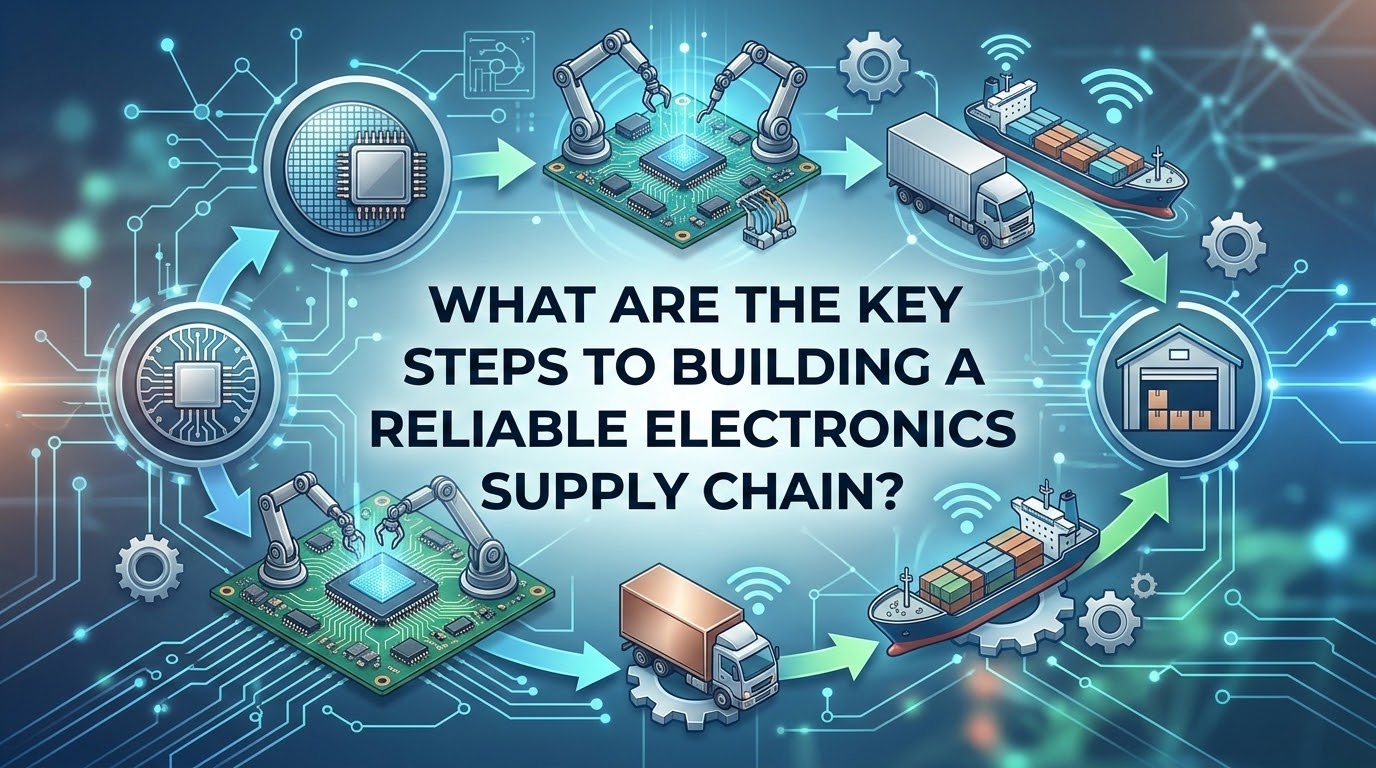
Building physical hardware is difficult. You can have the most elegant product design on the market, but if a cheap capacitor is suddenly out of stock, your entire assembly line stops. I see companies constantly trying to optimize their final packaging or shipping routes while ignoring the massive blind spots hiding in their lower tier supply base. A reliable supply chain doesn’t happen by accident. It takes a systematic approach to vendor selection, risk mapping, and manufacturing oversight. Whether you are building consumer electronics or industrial control systems, the fundamentals of keeping the line running remain exactly the same. You need visibility, redundancy, and strong vendor relationships.
Auditing Your Lower Tier Suppliers
Most procurement teams know exactly who handles their final assembly. They visit the facility, meet with the plant managers, and feel good about the setup. But the real vulnerabilities usually sit much further downstream. You need to know who is supplying the bare boards, the plastics, and the raw silicon to your primary contractor. If a factory making specific resins shuts down half a world away, you want to know before your contract manufacturer calls to say they missed a delivery. A simple disruption at a chemical plant can bottleneck millions of dollars in finished goods.
Mapping these lower tiers is tedious work. It requires digging through bills of materials and demanding transparency from vendors who might prefer to keep their sourcing a secret. You have to ask the annoying questions. Request a full list of their critical suppliers and cross check those names. If your primary injection molding partner relies on a single source for their raw plastic pellets, that becomes your risk too. If you don’t map these dependencies, you are flying blind.
Getting the Foundation Right with Printed Circuit Boards
The printed circuit board is the brain of your device. Sourcing the right partner for this specific step dictates your yield rates and your overall product reliability in the field. A lot of purchasing teams chase the absolute lowest per unit cost for SMT Manufacturing, only to lose those savings immediately when field defect rates spike.
Surface mount technology is highly precise work. When you evaluate a vendor, look closely at their paste inspection processes and their automated optical inspection equipment. It’s rarely worth cutting corners here. Find a partner that runs tight tolerances and actually maintains their pick and place machines properly. Walk their floor if you can. Quality at the board level prevents incredibly expensive troubleshooting after the product is fully enclosed and ready for shipping.
Managing Cable Assemblies and Interconnects
Cables and connectors almost always get treated as an afterthought during the initial design phase. Engineering naturally focuses on the core processing components and leaves the routing for last. Bad connections are a leading cause of hardware failure. Dealing with custom interconnects means you have to vet a whole different category of suppliers. A poorly crimped wire might pass a basic electrical test at the factory but fail after three months of use in the field. These intermittent faults are a nightmare to diagnose and damage your brand reputation.
Good Wire Harness Manufacturing requires strict quality control because so much of the process still involves manual labor. Crimps, solders, and outer jacket materials have to hold up under physical stress, heavy vibration, and extreme temperature changes. When talking to potential suppliers, ask them directly about their pull testing protocols and continuity checks. You want to see documented, repeatable procedures on the factory floor. Don’t settle for a floor manager just promising they do good work.
Strategic Nearshoring and Regional Diversification

The geographical footprint of your supply chain matters more now than it did a decade ago. Relying entirely on a single overseas region for all your components is a massive operational risk. Many US hardware companies are actively moving heavy assembly tasks to Mexico or expanding domestic operations to shorten their lead times.
For bulky or labor intensive parts, this regional shift makes a lot of sense. Take Wiring Harness Production as an example. Shipping heavy crates of copper wire across the ocean eats into your profit margins and adds weeks to your transit time. Moving that specific production closer to your final assembly plant in North America can radically simplify your logistics and reduce your freight costs. You have to evaluate each commodity class and decide where it actually makes geographical sense to build it.
Holding Buffer Stock Where It Makes Sense
Just in time manufacturing is a fantastic concept until a global shipping port closes or a winter storm shuts down a major rail hub. Running completely lean leaves absolutely zero room for error in the physical world. You don’t need to stockpile years of inventory, but keeping strategic buffers of custom or single sourced parts will save your production schedule.
Identify the components that have the longest lead times or the highest risk of obsolescence. Buy those up front and hold them in a secure warehouse. Hardware teams often view inventory as a liability on the balance sheet. In reality, targeted buffer stock acts as a relatively cheap insurance policy against catastrophic delays. Yes, holding inventory ties up your working capital. But paying for an idle assembly line while you wait for a critical shipment of specialized sensors is much more expensive.
Standardizing Components Across Your Product Line
One of the easiest ways to protect your supply chain starts early in the engineering department. Every unique part number you add to a bill of materials is another potential point of failure for the purchasing team. If you have five different products in your portfolio, they should share as many common components as possible. Engineers love picking the perfect component for every new design. You have to push back on that habit.
Standardizing on specific microcontrollers, fasteners, and power supplies gives you much better purchasing power with your vendors. It also means if one product line slows down, you can quickly divert shared parts to a faster selling line. Getting engineering and procurement in the same room to agree on an approved vendor list is a basic step. Surprisingly few companies actually enforce it.
Building Strong Vendor Relationships
At the end of the day, hardware is built by people. Contracts and service level agreements are necessary, but they won’t expedite a shipment when global constraints hit. You need vendors who will pick up the phone when things go wrong and give you honest answers.
Treat your key suppliers like true partners rather than replaceable cogs. Pay them on time. Give them accurate forecasts. When a severe component shortage hits the market, vendors allocate their limited stock to the customers they actually like working with. Building a reliable supply chain requires a mix of aggressive auditing and genuine relationship building. Get out of the spreadsheet occasionally and go talk to the people building your products.