

How to Reduce Pet Allergens at Home Without Giving Up Your Companion Animal
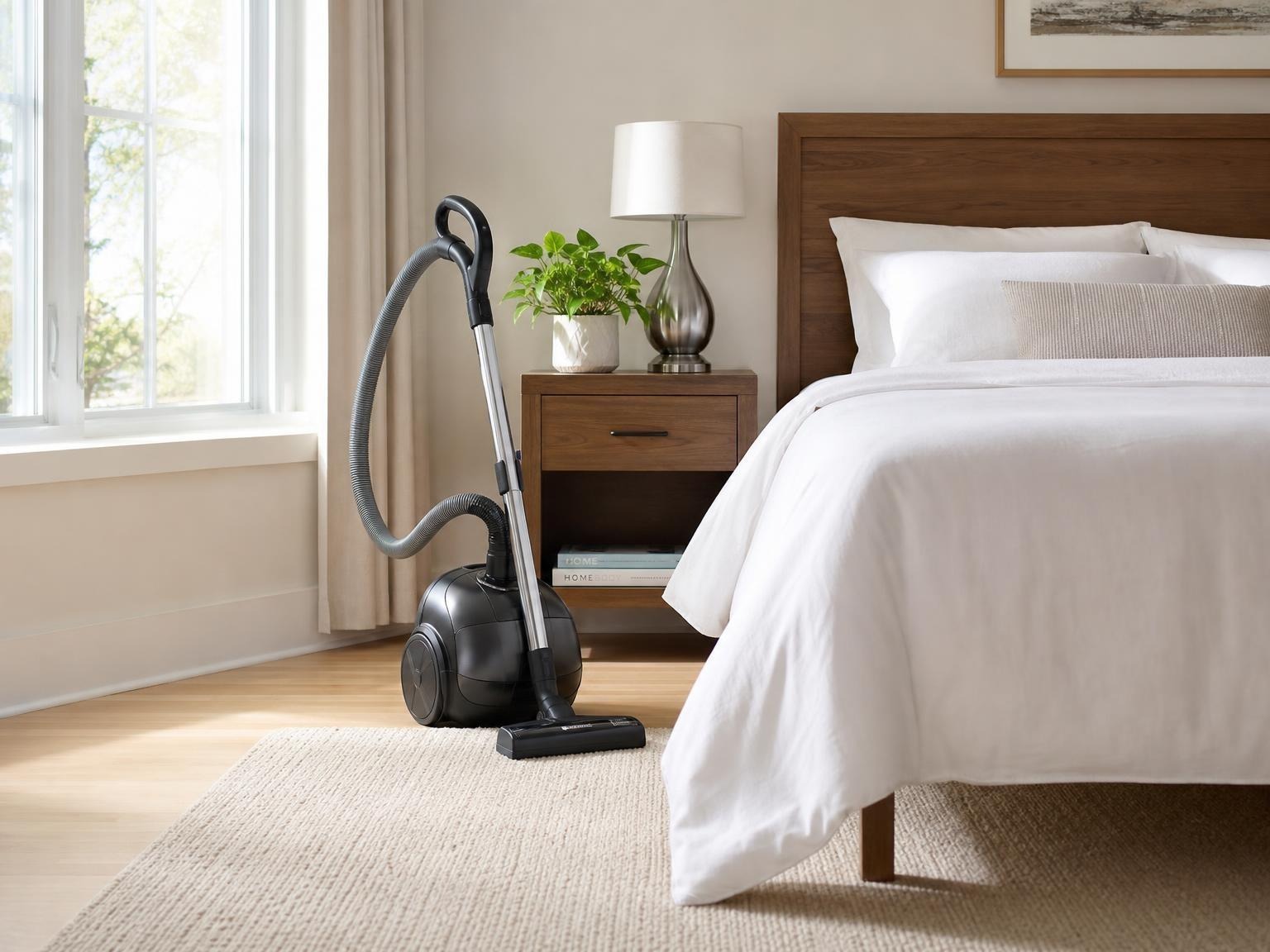
Living with a cat, dog, or other furry companion usually means living alongside dander, hair, and traces of saliva that work their way into carpets, furniture, and bedding. These particles—along with dust and outdoor allergens tracked in on paws and fur—rank among the most common triggers of household discomfort for sensitive individuals. The good news is that managing allergens doesn’t require making a home completely allergen-free, which isn’t realistic anyway. Instead, it’s about reducing buildup and limiting airborne particles through consistent habits. Part of that effort involves choosing the right tools; when researching a pet vacuum, it helps to compare features such as filtration quality, attachments for upholstery, maneuverability across different floor types, and overall suitability for homes with shedding animals. That said, no single product solves the problem on its own. A layered approach—combining cleaning, ventilation, and thoughtful pet-management habits—tends to work far better than leaning on one tactic alone. Because allergy symptoms vary so much from person to person, anyone dealing with persistent or severe reactions should consult a qualified healthcare professional rather than rely solely on home remedies.
Understanding What Actually Triggers Pet-Related Allergies
It is common to believe that hair is the culprit, but it is rather the dander of the animals, which consists of microscopic skin flakes containing allergens, and saliva and urine, depending on the species, which contain these allergen molecules. Hair matters primarily because it distributes these particles and gathers dust as it moves through the house.
Often, after the dust has settled on carpets, curtains, bedding, furniture, dust is raised from dust and other particles, pollens and dirt from outside are brought in by the animals themselves. This is why source control—cutting allergens off at their point of origin—matters just as much as general cleaning. Then, since high-capacity filters catch a large part of the dust, it is not a substitute for cleaning and ventilation.
Build a Practical Cleaning Routine
Certain parts of the house collect more dust than others: pet beds, carpets, upholstered furniture, curtains, moldings, and especially the bedrooms. A good habit is to clean from top to bottom, letting the dust settle on the floor and only then clean it. To clean the other solid parts of your house, it is advisable to use dampened cloths on all hard surfaces, so as to collect instead of spreading.
How often to clean depends on the number and kind of pets in the house, the degree of shedding, the type of flooring, the sensitivity of the family. Regularly done in short, controlled periods of time is usually more sustainable than one big cleaning. Wash removable pet bedding and upholstered items according to their care instructions and let them dry completely before using them again.
A person who is sensitive should try to avoid the direct cleaning of heavily contaminated surfaces as far as possible. If this cannot be avoided, a good mask, preferably a respirator, ventilation and washing his hands afterwards, are the best precautions. In the case of harsh or heavily perfumed cleaning products, care should be taken to limit the use in closed rooms where ventilation is poor.
Start here. Clean the bedroom, wash the pets’ blankets and the rugs, or re-cover the upholstered furniture.
Brief, frequent cleaning at points of accumulation will usually be more effective than heavy, infrequent cleaning.
Choose Cleaning Methods According to the Surface
Hard flooring is generally easier to maintain than wall-to-wall carpet. Remove loose debris before damp mopping, paying close attention to corners and the spaces beneath furniture where hair and dust tend to gather unnoticed.
Carpets and rugs hold onto dander more stubbornly, so using a pet vacuum for regular cleaning paired with periodic deep cleaning makes a real difference. Washable or low-pile rugs are often easier to manage over the long run. Steam cleaning and other moisture-based methods require thorough drying afterward—otherwise you risk creating damp conditions that invite a whole different set of problems.
Upholstery, curtains, and bedding can act as allergen reservoirs if left unattended. Washable covers, routine vacuuming with the right attachments, and following manufacturer instructions all help keep them in check. Bedrooms deserve extra attention, simply because people spend so many hours there.
Manage the Pet’s Access to Living Spaces
A separate pet-free bedroom can considerably reduce the amount of dust you are exposed to at night, even though it will not eliminate the dust from the rest of the house. More often than usual, wash the bedding and the floor in this room.
It is important to keep your pet’s bed, cages, toys and food bowls clean as often as possible. Bedding, cage, toy and feeding place must be cleaned regularly.
One can gently wipe the feet or coat after outdoor activities to reduce the amount of pollen and mud brought in from outside, as long as this is done without harming the animal’s skin.
Improve Indoor Air Management
In homes where outdoor air quality permits, fresh air helps dilute indoor air pollution. HVAC filters should be maintained according to manufacturer instructions, and portable air cleaners can help—but they cannot replace cleaning, since they cannot pick up atop the dust and dirt particles that settle on the furniture and the floors.
If we have less clutter, we have fewer things to collect. The damp dusting, on the other hand, is better than the dry dusting that just redistributes the dust. Guidance from organizations such as the Asthma and Allergy Foundation of America, the U.S. Environmental Protection Agency, and the Mayo Clinic offers reliable information and guidelines to help manage both allergy and indoor air quality.
Common Mistakes to Avoid
- Assuming a “hypoallergenic” breed guarantees no symptoms
- Focusing only on visible hair while ignoring dander and saliva proteins
- Neglecting vacuum filters, bags, or seals
- Cleaning floors while ignoring furniture, bedding, and vents
- Allowing pets into the bedroom despite trying to reduce exposure there
- Overusing fragranced sprays or harsh chemicals
What not to think: visible cleanliness in a dwelling does not mean that the level of dust in it is low.
Creating a Sustainable Household Plan
Picture two households: one that performs occasional, disruptive deep cleans, and another that handles smaller, regular tasks—bedroom upkeep, pet bedding washes, upholstery vacuuming—spread throughout the week. The second approach tends to hold up better over time, though it’s worth noting this isn’t a guarantee of specific health outcomes. For those who are renting, there are also portable solutions, such as covers that can be washed or rooms where the pet does not enter. If you suffer, however, even with this, you should turn to an allergist who can suggest and help you with a diagnosis and a specialized plan.
Make Allergen Reduction a Routine, Not a One-Time Project
If your symptoms persist or worsen, consult your doctor. A clear understanding of where these animal dusts accumulate is the key to reducing them. It is a question of knowing where they are, of cleaning floors and soft furnishings on a regular basis, of keeping bedrooms free from animals when required, and of maintaining sensible air management. This week, take one place, a place of concern for you, the bedroom or your pet’s sleeping place, and build a simple, regular habit around it.