

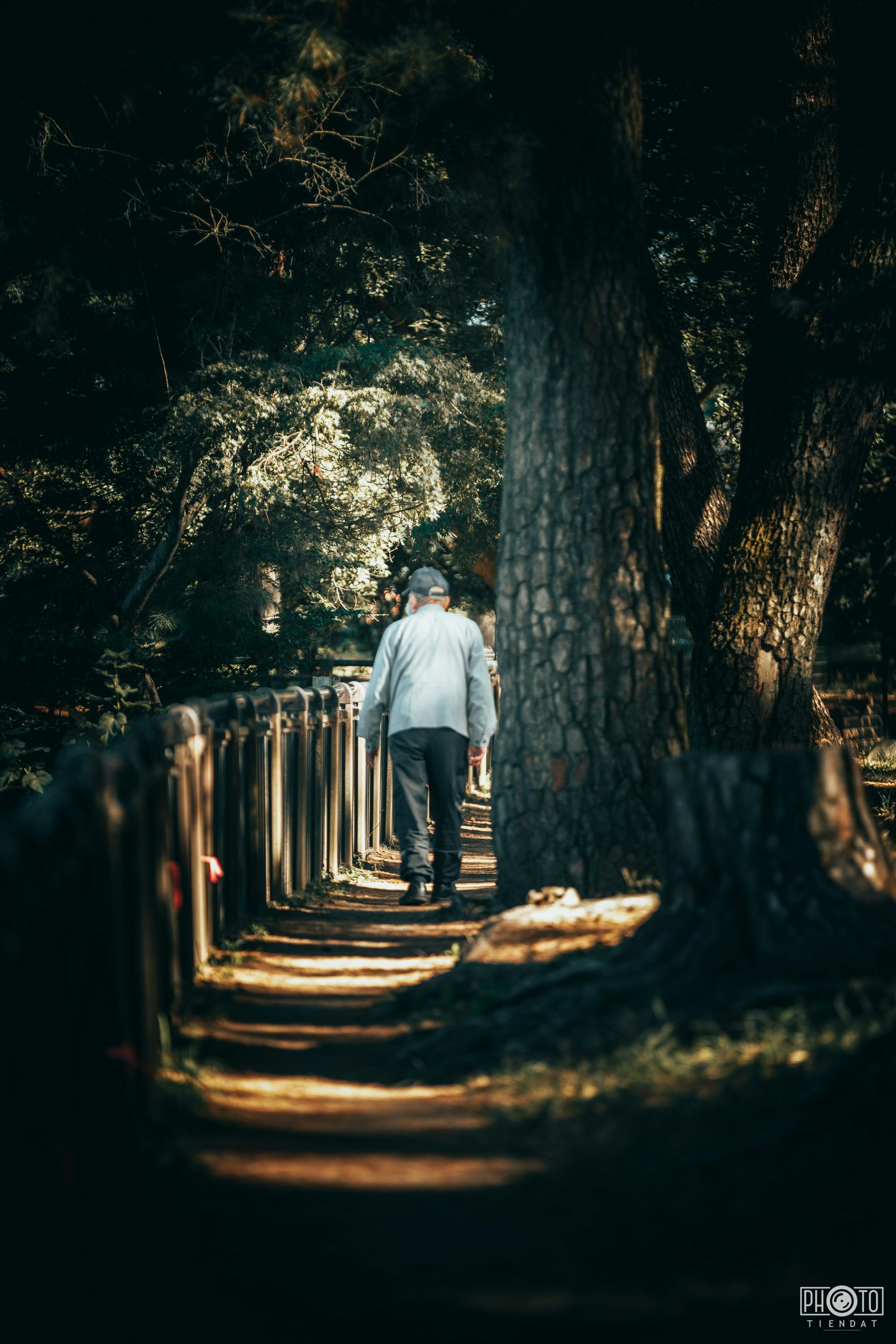
For decades, the cultural script for a successful life has been written in the language of acceleration. We admire the packed calendar, the relentless optimization, the hustle that supposedly staves off mediocrity and, by extension, mortality. Yet as the science of aging matures, a counterintuitive truth is emerging from laboratories, longitudinal studies, and the world’s longevity hotspots: the frantic pursuit of more might be precisely what is shortening our time.
The phrase “live slow, die old” is more than a wellness aphorism. It is an increasingly plausible biological hypothesis.
The Biological Cost of Hurry
To understand why slowing down matters, we must first understand what chronic stress does to the body at a cellular level. Aging is no longer viewed as a simple passive decline but as an active biological process governed by what scientists call the “hallmarks of aging”—including cellular senescence, telomere attrition, oxidative stress, and epigenetic changes.
Chronic psychological stress directly accelerates these hallmarks. Research shows that life stress, particularly from adverse social environments, triggers cellular senescence, shortens telomeres (the protective caps on chromosomes), and increases the production of reactive oxygen species that damage DNA. A landmark review published in Neuroscience & Biobehavioral Reviews concludes that “chronic stress poses a significant public health threat” and is “associated with elevated risk for chronic aging related diseases, which are the primary causes of disability and premature death in older adults.”
The physiology is elegant in its cruelty. When the brain perceives relentless demand—whether from a demanding job, financial precarity, or the self-imposed tyranny of a never-ending to-do list—it keeps the hypothalamic-pituitary-adrenal axis in a state of constant activation. Cortisol and inflammatory markers remain elevated. The body never receives the signal that it is safe to repair. Over years, this “allostatic load” accumulates, wearing down the systems that keep us vital.
The Rhythm of Longevity
The world’s longest-lived populations offer a compelling counter-narrative. In the so-called Blue Zones—Okinawa, Sardinia, Ikaria, Nicoya, and Loma Linda—residents do not optimize. They do not hustle. They follow rhythms that have been shaped by geography and tradition rather than productivity metrics.
These communities share a set of behaviors that researchers have distilled into the “Power 9”: plant-based eating, constant natural movement, purposeful living, stress-reduction rituals, moderate caloric intake, faith involvement, family prioritization, and strong social networks. What unites these practices is not deprivation but a different relationship with time itself.
In Okinawa, the concept of taygay translates roughly to an “easygoing personality,” based on the idea that life unfolds at its own pace. The traditional practice of hara hachi bu—eating until 80 percent full—requires slowing down enough to listen to the body’s signals, a form of mindful eating that prevents the chronic overconsumption that strains metabolic health. In Sardinia, the daily rhythm of sheep farming involves walking miles up and down mountains, not as exercise but as life. In Ikaria, afternoon naps and late-evening socializing are non-negotiable features of the day.
These are not lives of leisure. They are lives of rhythm—periods of meaningful exertion followed by intentional rest.
The Science of Doing Less, Better
The biological rationale for this rhythm is becoming clearer. Research on bio-functional aging suggests that the most promising factors for supporting vitality are “low social stress, high social integration, a good sense of coherence”—that is, a sense that life is comprehensible, manageable, and meaningful—”and maintaining good mental and cognitive status.”
The “slow living” movement, which Harvard Health has examined through the lens of healthy aging, offers a practical framework. It is “not about doing less, but doing more with greater focus and purpose and at the right speed,” says Laura Malloy, director of the Successful Aging Program at Harvard-affiliated Benson-Henry Institute. The benefits are not merely subjective. Slowing down lowers stress and blood pressure, improves concentration and short-term memory, and reduces the risk of injury by encouraging greater awareness of the body and surroundings.
Simple practices—engaging fully in daily routines, taking mindful walks, unplugging for fifteen minutes, doing one chore at a time—accumulate into what Malloy calls “a more natural part of your behavior.” The goal is not passivity but presence.
The Compounding Power of Small Shifts
Critically, the science of longevity does not demand radical transformation. A major 2025 study of nearly 60,000 UK Biobank participants found that small, concurrent improvements in sleep, physical activity, and nutrition yielded substantial gains. Compared with the least favorable behaviors, optimal sleep (7.2–8 hours), moderate-to-vigorous activity (42–103 minutes daily), and high diet quality were associated with 9.35 additional years of lifespan and 9.45 additional years of healthspan—years free of major chronic disease.
Even more striking is what the study calls the “minimum meaningful dose.” A combined improvement of just 5 minutes of sleep, 1.9 minutes of physical activity, and a modest 5-point increase in diet quality was associated with one additional year of life. The authors emphasize that these are not dramatic lifestyle overhauls but “pragmatic and synergistic” adjustments that accumulate.
This is the paradox of slow living as a longevity strategy: it works not through heroic effort but through the patient accumulation of unremarkable moments.
The Social Dimension of Slowness
One cannot discuss longevity without addressing the profound influence of social connection. The evidence is unequivocal: loneliness and isolation accelerate biological aging. A 2026 study from the English Longitudinal Study of Ageing found that older adults living alone had a physiological age approximately 2.6 years ahead of their chronological age. Even more nuanced, research on “social asymmetry” shows that people who feel lonelier than their level of social contact would predict have higher risks of cardiovascular disease, chronic obstructive pulmonary disease, and all-cause mortality.
The slow living philosophy naturally fosters connection because it prioritizes depth over breadth. It values the unhurried conversation, the shared meal, the walk with a friend. Blue Zones research consistently identifies stable social networks and faith communities as pillars of longevity. One analysis found that people who regularly attend faith-based services live up to 14 years longer than those who do not, an effect that likely operates through both social support and the sense of purpose that religious practice provides.
Purpose itself is a measurable health variable. Research cited by UCLA Health found that people with a strong sense of purpose have a 15% lower risk of dying prematurely, and are less likely to develop sleep problems, become physically inactive, or have an unhealthy BMI. Purpose is not something that can be rushed into existence. It requires the space to listen to oneself.
The Question We Are Really Asking
The longevity revolution is often framed as a biomedical project: drugs, supplements, AI diagnostics, regenerative medicine. These advances matter and will likely extend healthspan in ways we cannot yet imagine. But they may also distract from a simpler, more accessible intervention—rethinking how we organize our days.
The “quiet ambition” movement captures this shift. It describes “the ambition for a calmer, more balanced life,” not the abandonment of goals but the refusal to sacrifice health and relationships for a version of success that arrives too late to enjoy.
Perhaps the most radical longevity intervention is not a molecule but a decision: to stop treating rest as a reward for productivity and start treating it as a biological requirement. To recognize that the body repairs itself not in the moments of exertion but in the spaces between them. To understand that a life lived at a sustainable pace is not a life of less ambition but of different ambition—one that measures success not in output but in presence.
The question is no longer whether we can live to one hundred. The question is whether we will arrive there exhausted or intact. The science suggests the answer lies not in doing more, but in daring to slow down.
Emilia Rose