

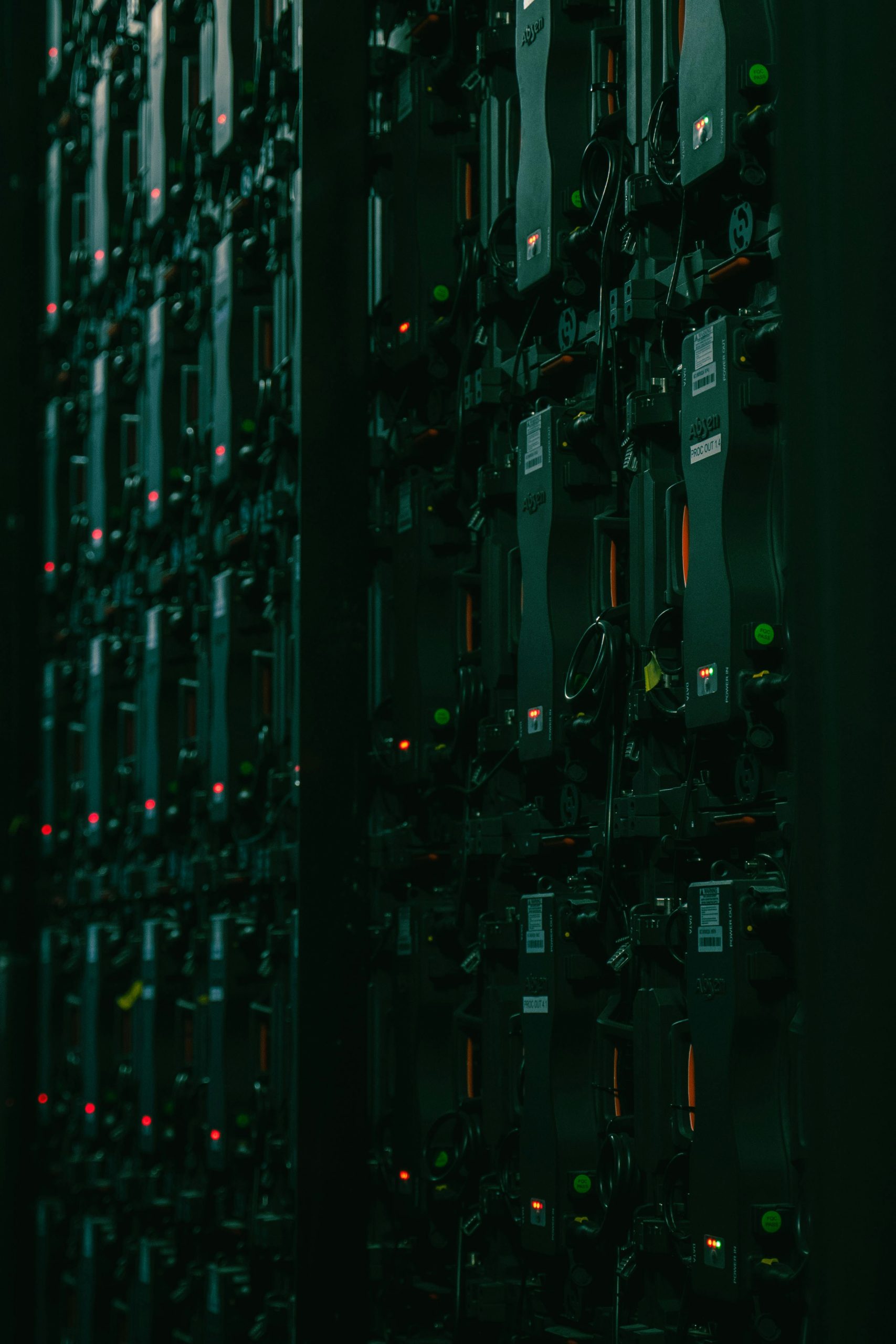
There comes a point in the lifecycle of any successful digital product when cloud flexibility, which seemed like a lifesaver at the start, becomes a “success tax”. The transition to bare metal isn’t a reversion to old management methods, but a sign of a business’s technological maturity. This is the moment when a company realizes that resource predictability and direct control over the architecture are worth far more than the illusory ability to scale with a single click, which comes at a threefold premium.
Predictable Unit Economics and Escaping the API Billing Trap
One of the most insidious aspects of cloud hosting is the hidden fees. You pay for every gigabyte of outgoing traffic, every database request, every access to object storage, and even for data transfer between different availability zones within a single region. For a business that handles millions of transactions, these cents add up to huge sums that are extremely difficult to predict.
The economic pragmatism of owning a dedicated server:
- Stabilization of operating expenses (OPEX). Switch to a fixed monthly rental price that doesn’t change depending on the number of requests to your database;
- Elimination of “air” charges. In the cloud, you pay for overprovisioning capacity on the provider’s side. On a dedicated server, every purchased CPU cycle is yours alone;
- No internal traffic charges. Freely move data between your services within a single server or local network, regardless of provider limits;
- Transparent long-term planning. The ability to lock in your IT budget for a year in advance, as you know the exact specifications and cost of each node;
- Reduced cost per active user. The growing audience on physical hardware doesn’t lead to exponential cost increases, which directly improves business margins.
Infrastructure Ownership as a Compliance Asset
There are situations where switching to dedicated equipment is dictated not by technical needs, but by legal requirements or your partners’ security standards. In the fintech, healthcare, or B2B sectors, the cloud’s “common pool” often becomes a legal barrier to closing a deal.
Business benefits of physical data isolation:
- Legal transparency and sovereignty. Clear understanding of the specific server and jurisdiction in which your clients’ data resides, which is critical for GDPR compliance;
- Simplification of certifications. Passing a PCI DSS or SOC2 compliance audit is much easier when you control the physical storage medium and can accurately describe the security perimeter;
- Guaranteed right of erasure. Confidence that upon contract termination or at the user’s request, data is physically erased and not left in “common backups” of the cloud layer;
- Protection of intellectual property. Isolation of sensitive data processing algorithms from theoretical attacks via shared processor memory in a virtual environment;
- Direct physical audit. Availability of an on-demand report on equipment status and server rack access.
Technical Sovereignty and Building Custom Solutions
When a company’s software becomes truly complex, it begins to require a specific environment that cannot be recreated within standard cloud instances. Technological sovereignty means being able to customize a server to your software architecture, rather than rewriting the code to fit the provider’s limitations.
Examples of architectural factors that should lead to your move toward bare metal are:
- Tuning the operating system’s kernel requires unique network stack configurations, which may be unreachable in virtualized environments;
- Integration of proprietary drivers and modules, which demand integration of software that conflicts with virtualized driver stacks or requires direct access to hardware resources;
- The cost of storing data with hundreds of gigabytes of RAM can be prohibitively expensive if you use cloud servers;
- You can build custom RAID arrays to represent the best balance between storage reliability vs. read/write performance;
- You will eliminate the micro-latency, which is essential for high-frequency trading and management systems.
Protecting the Brand from Micro Latency Erosion
A brand’s reputation in the digital environment is built on a stable user experience. The most dangerous cloud issue is micro-performance degradation, which is difficult to detect with standard tests. A website may work normally 95% of the time, but in the remaining 5% (usually during peak load periods), users experience freezes and lags.
Reputation protection through hardware stability:
- Stable and predictable response. Dedicated hardware ensures that server response times will not change, even if all your data center neighbors decide to simultaneously run heavy computations;
- Resilience during marketing successes. Your infrastructure won’t choke during a surge in users following a successful advertising campaign, as it has physical capacity reserves;
- No unexpected provider maintenance. You decide when to perform system maintenance and adapt to your audience’s activity schedule;
- Increased conversion. There is a direct correlation between server response speed and the percentage of completed purchases in e-commerce projects.
Choosing the Right Transition Point with Namecheap
Namecheap provides a smooth transition for businesses migrating to their servers, including no hidden clauses, no red tape, and no unused capacity. Their infrastructure will expand in conjunction with your goals rather than at their level of cost.
Business benefits available through Namecheap:
- Modern hardware that gives access to the latest generation of processors and NVMe drives, ensuring the highest level of performance for your software;
- Growing your business horizontally is possible by creating multiple physical nodes that form a secure network;
- The engineers maintain all physical hardware and allow your administrators to concentrate on optimising product value.
Wrapping Up
Having your own infrastructure provides you with stable finances and independence from external forces, such as the cloud provider. If you believe the cloud is taking over and defining how you do business, you need to start taking back control. With Namecheap, you will receive a product that is built on its own solid foundation, not dependent on some vendor’s promise of being flexible.