

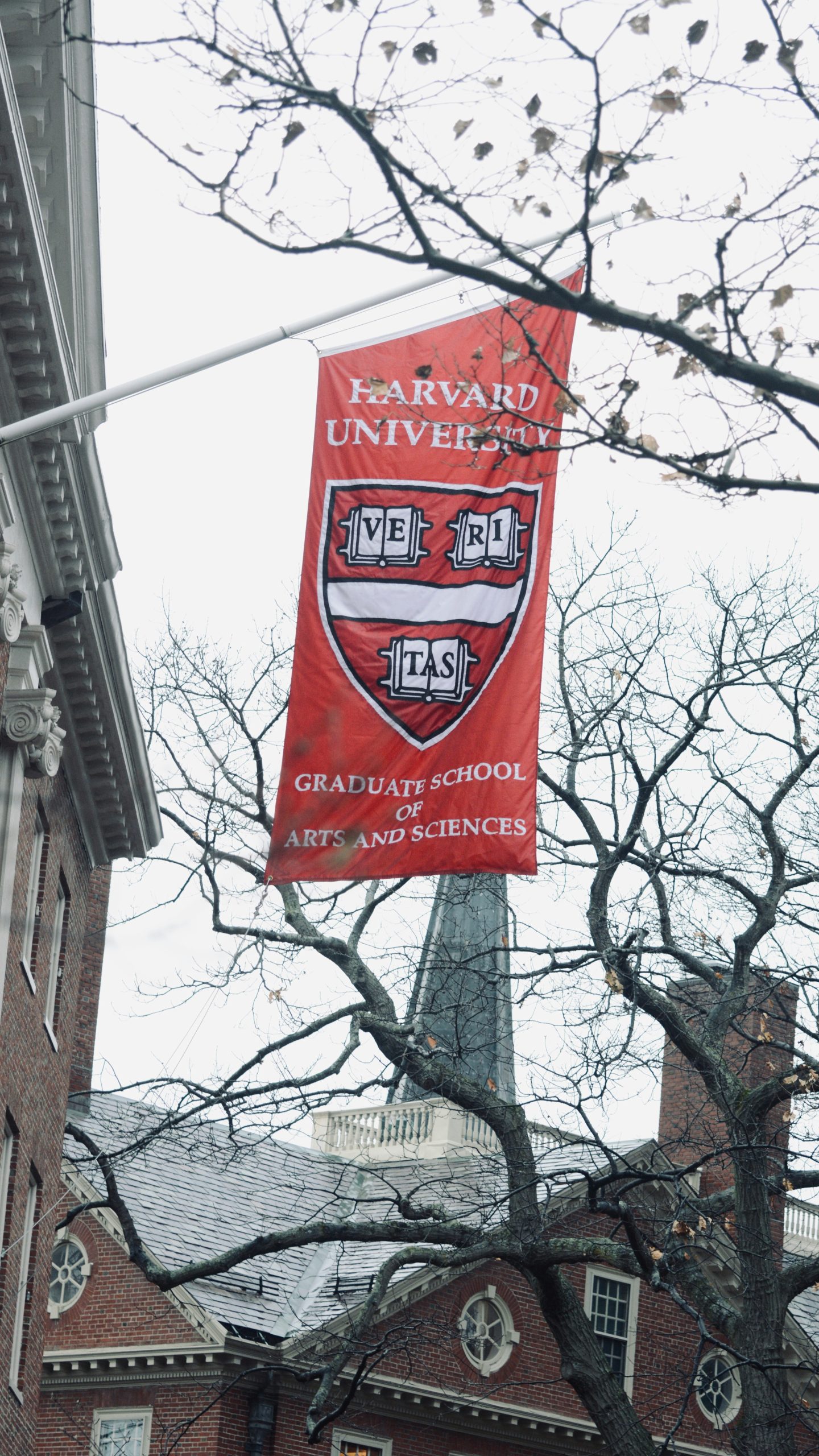
Here’s a question that’s been following me around Cambridge for the past three years: If Harvard—the richest university in the world, with an endowment that could probably buy a small country—is struggling to keep health insurance affordable for its own people, what hope is there for the rest of America?
I’m a student here. I spend most of my time in libraries, cafeterias, and the kind of fluorescent-lit classrooms where professors use words like “actuarial value” and “risk pooling” without blinking. I’m not a health policy expert. But I’ve been watching. And this year, something shifted.
Let me tell you what’s actually happening with health insurance in 2026—from the perspective of someone who just wants to afford a doctor’s appointment without selling a kidney.
The Cafeteria Conversation That Made Me Panic
It started in September, when Harvard quietly announced changes to employee health plans . I wasn’t paying much attention—I’m a student, not a faculty member—but then I saw the numbers.
Deductibles are going up. Copays are going up. Prescription costs are going up . A primary care visit that cost $30 in 2025 now costs $40. An emergency room trip jumped from $100 to $150 . The University Benefits Committee, which is made up of professors who literally wrote the books on health economics, explained it in language that was refreshingly honest: Harvard hasn’t adjusted the proportion of healthcare costs paid by employees in a decade. But costs have been rising, and the party couldn’t last forever .
Here’s the part that hit me. Even with these increases, Harvard’s plans remain “platinum-level” with actuarial values above 90 percent . For context, the average for U.S. private employers is in the low to mid-80s. So the best-funded institution in America, offering the gold standard of health insurance, still had to raise deductibles because healthcare is just that expensive.
One of the professors on the committee, Michael Chernew from Harvard Medical School, put it bluntly: healthcare spending at Harvard, in Massachusetts, and across the country has been increasing very rapidly—approaching double digits . Double digits. Every year.
I don’t know about you, but my paycheck isn’t growing at double digits.
The Thing About GLP-1s (Or, Why Weight Loss Drugs Are Breaking the System)
Here’s where the story gets weird—and very 2026.
While I was sitting in a Health Policy class this fall, listening to a lecture on pharmaceutical economics, the professor mentioned something that made everyone sit up. One of the biggest drivers of healthcare costs right now is a class of drugs called GLP-1s. You know them as Ozempic, Wegovy, Mounjaro. They started as diabetes medications. Now they’re being used for weight loss. And everyone wants them .
Harvard’s own health plan documents for 2026 acknowledge this explicitly: the guidelines for GLP-1 drugs used for weight loss are changing . The University is introducing something called EncircleRx—a comprehensive weight management program that requires lifestyle modification along with the medication. The drugs are still covered, but not without strings attached.
I asked a friend who works in benefits administration what this actually means. She said: “The drugs work. They really work. But they cost about $1,000 a month per person. Multiply that by the number of people who want them, and you’re looking at millions of dollars that nobody budgeted for.”
So Harvard is trying to thread the needle. Cover the drugs. But also make sure people are using them appropriately. And maybe, just maybe, build in some support so people don’t need them forever.
Meanwhile, the rest of the country is dealing with the same problem. Meredith Rosenthal, a health economics professor at Harvard Chan School, explained that increased utilization of high-cost drugs and diagnostics—not just price inflation—is driving cost increases . In plain English: we’re using more stuff, not just paying more for the same stuff.
The ACA Subsidies That Vanished (And What It Means for Everyone)
Here’s something I didn’t understand until I started paying attention: millions of Americans got a huge break on health insurance premiums for the past few years. Enhanced subsidies under the Affordable Care Act made coverage affordable for people who would otherwise be priced out .
Those subsidies expired at the end of 2025.
Meredith Rosenthal, who literally chairs the Department of Health Policy and Management at Harvard Chan, told the Harvard Gazette that this is a “very significant blow” . Her estimate? Premiums on the ACA marketplace will nearly double compared to 2025. People with incomes above about $60,000 lost their subsidies entirely. Older people in that group are getting hammered because their premiums are already higher.
The government estimates about 1.5 million fewer people have signed up for ACA plans this year. But Rosenthal thinks the real number will be higher, because people will drop coverage once they realize what they actually have to pay .
And here’s the death spiral logic that keeps me up at night. The people most likely to drop coverage are younger and healthier. When they leave, the risk pool gets sicker. Sicker patients mean higher claims. Higher claims mean higher premiums. Higher premiums mean more people drop coverage. And on and on.
Rosenthal calls this a “perennial concern” in voluntary insurance systems. I call it terrifying.
The Good News (Yes, There Is Some)
Not everything in 2026 is doom and gloom. While costs are going up, coverage is getting better in some specific ways.
Harvard’s 2026 plans now cover three nutritional counseling visits at no cost . A state law in Massachusetts expanded breast cancer screening coverage, so eligible MRIs are now cost-free . And for substance use disorders, the plans now cover recovery coaching and Narcan kits at no cost—though the recovery coach program is still figuring out the licensing details .
Leemore Dafny, another Harvard professor who sits on the benefits committee, emphasized that the University isn’t changing the plans themselves. Members will still have access to their providers, their care teams, their covered services . The out-of-pocket maximums remain low compared to national averages.
But here’s what I keep coming back to. If Harvard—with all its resources, all its negotiating power, all its world-class experts—can only manage “modest adjustments” to keep its plans sustainable , what does that say about the system as a whole?
What I Think the Future Looks Like
I’m not a prophet. I’m a student who reads a lot. But based on what I’m seeing from the experts around me, here’s where health insurance is heading in the next few years:
First, employers are going to keep pushing costs to employees. Harvard held the line for a decade. They couldn’t hold it forever. Most companies won’t hold it as long .
Second, GLP-1s are going to be a defining issue. These drugs work. People want them. They cost a fortune. Every employer, every insurer, every government program is going to have to figure out how to cover them without bankrupting themselves .
Third, the ACA marketplace is in trouble. The subsidy expiration is a big deal. If premiums double and healthier people drop out, the market could spiral . Whether Congress steps in to fix it is anyone’s guess.
Fourth, value-based insurance design is going to matter more. Michael Chernew has been working on this for years—aligning cost-sharing with the value of services . The idea is simple: pay less for high-value stuff, more for low-value stuff. The implementation is anything but simple.
Fifth, someone’s going to have to actually deal with hospital prices. Recent research shows that increased utilization of hospital services and physician care—not just price—is driving cost growth . We’re using more stuff. We’re not just paying more for the same stuff.
The Question Nobody Answered
I sat in on a health policy seminar last month where a visiting expert gave a presentation on “the future of employer-sponsored insurance.” The room was full of PhD students, postdocs, and faculty who have spent decades studying this stuff. The data was precise. The models were elegant. The conclusions were… grim.
At the end, someone asked the question I’d been thinking about all semester: “If we can’t control costs, and if the current system is unsustainable, what actually replaces it?”
The presenter paused. Looked at his notes. And said: “That’s the $4 trillion question.”
I walked back to my dorm that night thinking about the $1,500 deductible I might be facing next year. About the people I know who graduated and lost their coverage. About the millions of Americans who just opened their renewal letters and felt their stomachs drop.
The experts at Harvard are brilliant. They’re working on solutions—value-based design, payment reform, competition policy, all of it. But the gap between “academic solution” and “affordable doctor visit” is still enormous.
I don’t know what the future of health insurance looks like. But I know what it feels like right now. It feels like something that costs too much, covers too little, and changes too slowly. And if Harvard can’t fix that, maybe nobody can.
This article was written by JAMES PALMER – a Harvard student who spent way too much time reading benefits documents and policy papers instead of studying for actual classes.