

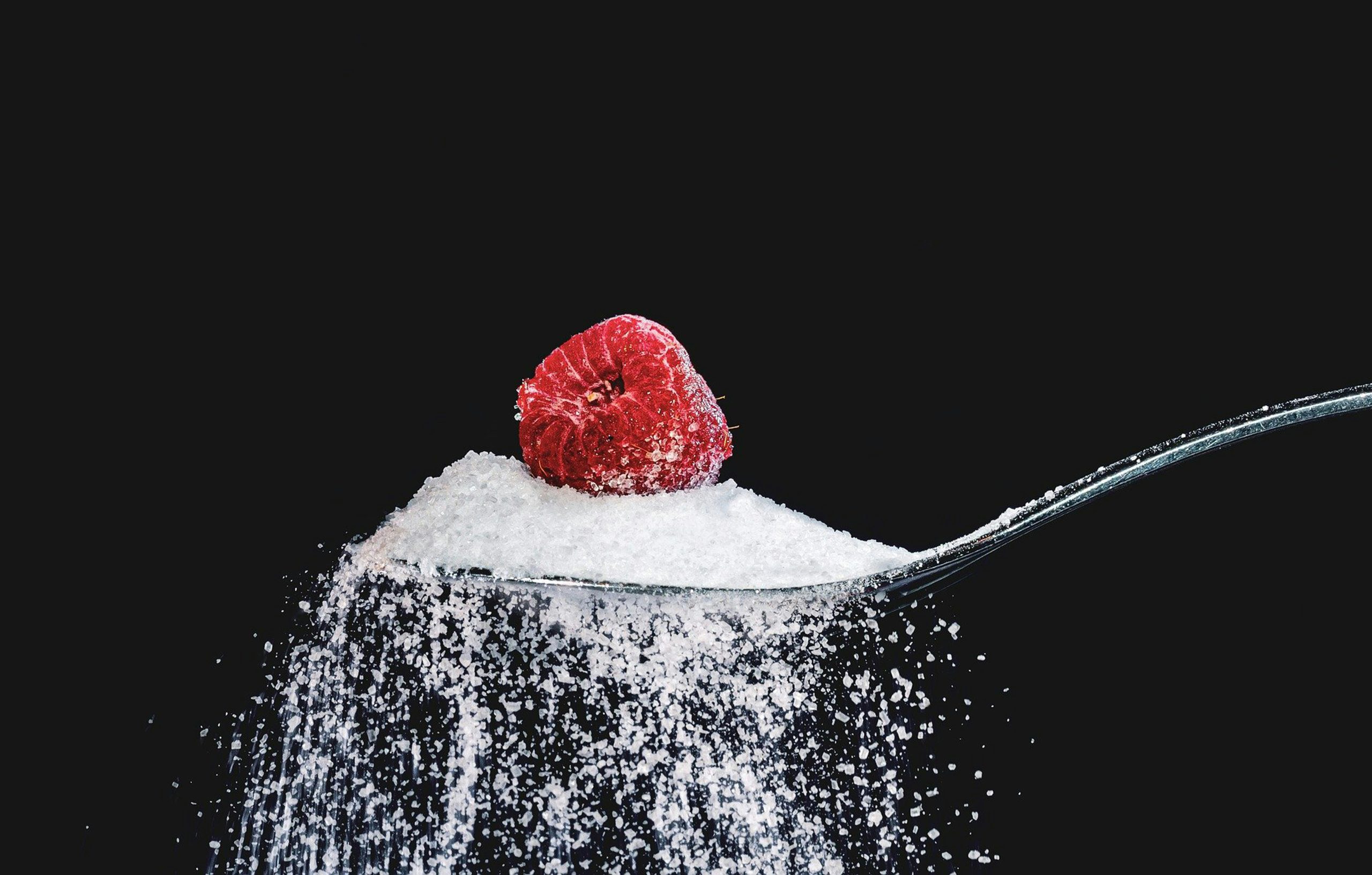
You hear it everywhere. Cancer feeds on sugar. Cut the carbs, starve the tumor. It sounds so logical, doesn’t it? Like discovering your houseplant is thriving on Miracle-Gro and thinking, “Well, if I stop using it, the plant will die.” Simple. Clean. And completely missing the point that you also need to keep the plant alive long enough to enjoy it.
This question—if cancer needs glucose to grow, why don’t doctors immediately put patients on a strict no-carb diet the moment they’re diagnosed—is one of the most common, most frustrating, and most misunderstood questions in oncology. And the answer? It’s a fascinating journey through 100 years of biochemistry, the brutal reality of cancer treatment, and why your body is a lot smarter (and more complicated) than a houseplant.
The Hundred-Year-Old Mystery That Won’t Die
Let’s start with the man who started this whole conversation. Back in the 1920s, a German physiologist named Otto Warburg made a discovery that would eventually earn him a Nobel Prize and confuse cancer patients for the next century .
Warburg noticed something strange. Cancer cells behave like teenagers at an all-you-can-eat buffet. They consume massive amounts of glucose—far more than normal cells—and then they do something weird with it. Instead of fully burning that sugar for energy in the most efficient way possible (which would be through what scientists call “oxidative phosphorylation,” but let’s just call it “the adult way of handling calories”), they ferment it. They turn it into lactate, even when there’s plenty of oxygen around .
This is called aerobic glycolysis, but everyone knows it as the Warburg effect. It’s been the subject of intense study for a century, and here’s the punchline: scientists still don’t fully agree on why cancer cells do this .
Think about that. One hundred years, thousands of research papers, and the fundamental “why” is still being debated in labs at MIT and Harvard. The researchers at the Frederick National Laboratory recently published new clarity on this, showing that it might have less to do with energy and more to do with producing something called NAD+, a cofactor needed for pretty much everything cells do . It’s complicated. And if the experts are still arguing, maybe the simple solution of “just stop eating sugar” isn’t so simple after all.
The First Problem: You’re Not Just Feeding the Tumor
Here’s where the houseplant analogy breaks down entirely. When you eat food, that glucose doesn’t just go to the tumor with a little name tag that says “cancer delivery.” It goes everywhere. Your brain runs on glucose. Your muscles run on glucose. Your heart, your lungs, your immune system—all of them need sugar to function.
Now imagine you’re a patient who just started chemotherapy. Your body is already under siege. Treatment side effects like nausea, vomiting, mouth sores, and changes in taste and smell make eating difficult . Up to 85% of cancer patients experience malnutrition at some point during their illness . Weight loss isn’t just common; it’s dangerous. It’s associated with delayed healing, treatment interruptions, increased complications, and worse survival .
And here comes someone saying, “Great news! You’re already struggling to eat, so let’s take away the one thing your body actually wants!”
This isn’t hypothetical. The BC Cancer agency, which provides oncology nutrition services across British Columbia, has detailed guidelines on managing cancer patients’ nutritional status. Their number one priority? Preventing malnutrition and weight loss, not restricting carbohydrates . The National Cancer Institute emphasizes that nutrition interventions help patients maintain weight, continue treatment with fewer changes, and improve quality of life .
You cannot starve the tumor without starving the patient. And the patient is the one we’re trying to save.
The Second Problem: Tumors Are Adaptable Little Monsters
Even if you could somehow design a diet that starves cancer cells while feeding normal cells (spoiler: you can’t, not reliably), cancer cells have another trick up their sleeve. They’re metabolic shape-shifters.
The Warburg effect describes their preference for glucose, but it’s not their only option. Cancer cells can also use glutamine (an amino acid), fatty acids, and other fuel sources . A recent 2025 review in Biochimica et Biophysica Acta explains that the tumor microenvironment—the ecosystem surrounding the cancer—plays a huge role in shaping metabolism. It’s not just about what the patient eats; it’s about how the tumor adapts to what’s available .
Cut off the glucose, and many tumors will simply switch fuel sources. They’re like that friend who always says they’re “flexible” about dinner plans but somehow always ends up getting what they want anyway.
The Emerging Research: Maybe Diet Does Matter (But Not How You Think)
Now, before you accuse me of saying diet doesn’t matter at all, let’s look at what the latest science actually shows. Because the research is getting more interesting, and it’s not as simple as “eat less sugar.”
A 2025 study in the Journal of Clinical Medicine looked at dietary patterns in melanoma patients receiving immunotherapy. They found that diets rich in fermentable fibers, plant polyphenols, and unsaturated fats—think Mediterranean or ketogenic diets—seemed to enhance CD8+ T-cell activity . That’s your immune system’s cancer-killing army. Meanwhile, excess protein, methionine, or refined carbohydrates impaired immune surveillance .
Another 2025 review emphasized that dietary interventions can influence tumor growth by restricting tumor-specific nutritional requirements, altering nutrient availability in the tumor microenvironment, or enhancing the cytotoxicity of anticancer drugs . That’s science-speak for “food might actually help the medicine work better.”
But notice what these studies are about. They’re not about starving the patient. They’re about precision nutrition—tailoring dietary patterns to support treatment, not replace it.
The Third Problem: The Evidence Just Isn’t There Yet
Here’s the uncomfortable truth that diet gurus don’t want you to hear: we don’t have high-quality evidence that extreme carbohydrate restriction improves cancer outcomes in humans.
We have fascinating lab studies. We have mouse models where ketogenic diets slow tumor growth. We have intriguing correlations between obesity and cancer risk. But when it comes to a patient sitting in an oncologist’s office, diagnosed with cancer today, wondering what to eat tomorrow—the randomized controlled trials just aren’t there .
The BC Cancer guidelines explicitly state that while more people surviving cancer want nutritional guidance to prevent recurrence, “scientific evidence is not sufficient to provide firm guidelines for cancer survivors at present” . The National Cancer Institute echoes this, noting that while dietary patterns can modulate tumor progression, we’re still in the early stages of understanding how to apply this clinically .
This isn’t because doctors are ignoring the research. It’s because they’re waiting for evidence strong enough to risk messing with a patient’s nutrition during active treatment.
What Doctors Actually Worry About
Let me walk you through what happens when an oncology dietitian meets a newly diagnosed patient.
First, they assess nutritional status. Is the patient losing weight? Are they at risk for malnutrition? Do they have symptoms that make eating difficult—nausea, pain, depression, early satiety ?
Second, they prioritize. The immediate goal is almost always maintaining weight and preserving muscle mass. Why? Because muscle loss (sarcopenia) is associated with worse survival, increased treatment toxicity, and poorer quality of life . Up to 50% of advanced cancer patients have sarcopenia . You don’t fix that by cutting carbs. You fix it by making sure they get enough protein and calories to keep their body fighting.
Third, they address symptoms. Cancer treatment causes a laundry list of eating problems: taste changes, mouth sores, swallowing difficulties, nausea, vomiting, diarrhea, constipation . A dietitian’s job is to help patients navigate these challenges, not add another layer of restriction.
Fourth, and only after all that, do they think about “anti-cancer” dietary strategies. And even then, it’s in the context of “this might help, and it probably won’t hurt, but let’s not pretend it replaces chemotherapy.”
So, What Should You Actually Eat?
If you or someone you love is facing a cancer diagnosis, here’s what the evidence actually supports:
The emerging research suggests that Mediterranean-style diets—rich in plants, healthy fats, and moderate protein—may support better outcomes, particularly with immunotherapy . But these are adjuncts, not alternatives. They’re ways to support the body so the body can tolerate the treatment.
The Bottom Line
The question “if cancer needs sugar, why not cut sugar?” makes intuitive sense. It’s the kind of logic that feels right, that spreads easily on social media, that gives patients a sense of control in a terrifying situation.
But cancer is not a houseplant. Your body is not a battlefield where you can starve the enemy without weakening your own troops. And the science of cancer metabolism, for all its advances over the past century, is still not ready to prescribe a one-size-fits-all diet for every patient.
What we do know is this: malnutrition kills. Weight loss predicts worse outcomes. And the best thing most patients can do is work with their oncology team—including registered dietitians who specialize in cancer care—to maintain their strength, manage their symptoms, and give their bodies the best possible chance to fight .
The Warburg effect is real. It’s fascinating. It may one day lead to targeted therapies that exploit cancer’s metabolic weaknesses. But for now, the answer to “why don’t doctors change people’s diets at diagnosis” is the same answer to most complicated questions in medicine: because it’s not that simple, and the patient’s life is more important than the theory.
So eat well. Work with your team. And if someone tries to sell you a “cure” based on cutting out sugar, ask them why the world’s leading cancer centers aren’t doing the same thing. The answer might be sweeter than you think.
by SHAUBERT SIMON