

>>> When you think of a great workout, you probably picture something that leaves you panting, drenched in sweat, and vaguely regretting your life choices. You imagine burpees, treadmill sprints, or lifting heavy objects only to put them right back down again. It’s fitness born from a place of stress, a fight against your own body and the clock.
Now, imagine the polar opposite. Imagine an exercise where the primary goal is to move as slowly as humanly possible, as if you’re gracefully navigating a pool of warm honey. Where the biggest challenge isn’t lifting more weight, but remembering to breathe. Where you’re encouraged to wobble, because finding your balance again is the whole point.
Welcome to Tai Chi. It’s the centuries-old Chinese practice that looks less like a workout and more like a group of people trying to perform ballet in their sleep. But here’s the twist: this “meditation in motion” isn’t just for park benches at sunrise. A mountain of modern science suggests it might just be one of the most cunningly effective things you can do for your body and brain. It’s the fitness equivalent of a stealth bomber—quiet, graceful, and unexpectedly powerful.
The Slowest Show on Earth
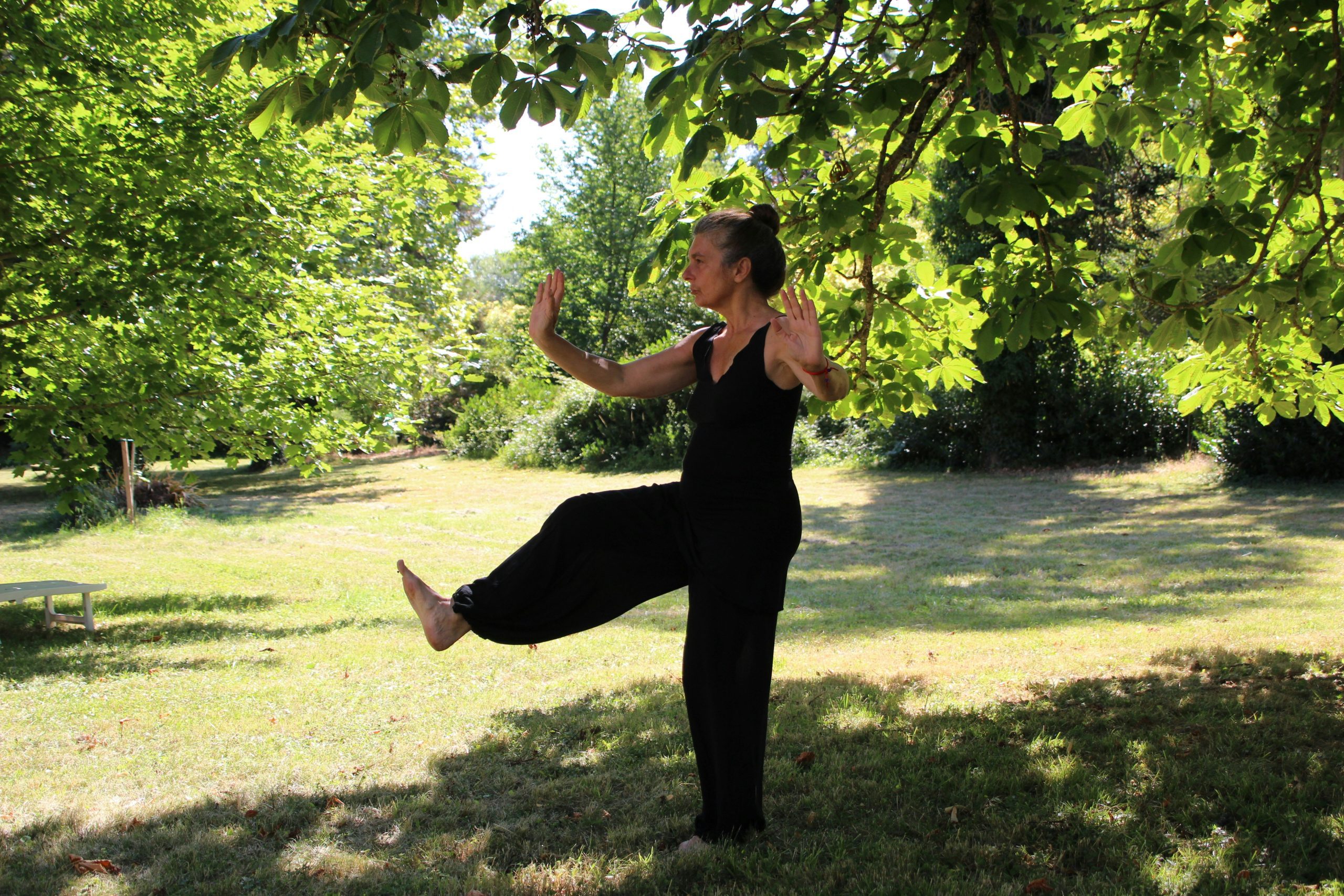
So, what are you actually doing? At its core, Tai Chi is a series of flowing, deliberate postures that connect one to the next without pause. You’ll shift your weight with tectonic slowness, arms tracing circles in the air, with names that sound like rejected indie bands: “Wave Hands Like Clouds,” “White Crane Spreads Its Wings,” “Grasp the Sparrow’s Tail”.
The first time you try it, you’ll feel ridiculous. Your brain, wired for the 21st-century hustle, will scream, “SPEED UP! WE HAVE THINGS TO DO!” Your muscles, used to quick, jerky movements, will tremble with the effort of sustained, controlled slowness. You’ll discover muscles in your feet you didn’t know existed, all because you’re trying to stand still. It’s humbling. It’s the ultimate antidote to our frantic world, a practice that insists you can’t rush your way to calm.
Why Moving Like a Sloth is Secretly Brilliant
Don’t let the gentle pace fool you. This is a full-body workout in disguise. Here’s what’s happening under the surface:
- Balance & Strength: Every time you hold a pose on one leg, you’re not just standing there. You’re engaging your core, ankles, and leg muscles in a constant, microscopic dance of correction. It’s like practicing how to catch yourself from a fall, dozens of times in a row. This is why studies show it can cut the risk of falls for older adults by up to 50%.
- Joint Health: Unlike high-impact exercises that pound your joints, Tai Chi’s circular, “never forced” movements lubricate and strengthen them. It’s so effective for arthritis pain and stiffness that the American College of Rheumatology strongly recommends it.
- Cardio in Stealth Mode: While you won’t be gasping for air, research shows a consistent Tai Chi practice can improve aerobic capacity, especially if you’re starting from a lower level of fitness. It’s a gentle nudge for your cardiovascular system.
- Brain Gains: This is where Tai Chi gets sneaky. You’re not just moving; you’re memorizing sequences, coordinating limbs, and focusing on your breath. This dual-task of physical movement and mental focus is like a supercharger for your brain. Studies link it to improved memory, sharper focus, and even delaying cognitive decline.
- Stress Melts: The deep, rhythmic breathing and singular focus pull you out of the anxiety spiral of “what-ifs” and drop you squarely into the “right-now.” It’s a moving holiday for your nervous system, proven to lower stress, anxiety, and blood pressure.
The “Best” Way to Exercise? It’s the One You’ll Actually Do.
This brings us to the big question: Is Tai Chi the best exercise? The boring, human answer is: the best exercise is the one you enjoy enough to do consistently. For some, that’s the adrenaline rush of a spin class. For others, it’s the quiet focus of a weight room.
But Tai Chi makes a compelling case for itself as a foundational practice because of its staggering accessibility and breadth of benefit. You need zero equipment. You can do it anywhere—a living room, a park, an airport terminal (though you may get some looks). It can be adapted for any fitness level or physical limitation, even done seated. There is no “too old” or “too out of shape” to start.
Its true genius is that it doesn’t feel like exercise in the traditional, punishing sense. It feels like reclaiming a sense of calm and bodily control. You’re not beating your body into submission; you’re learning to listen to it and work with it. In a world that values speed and force above all, Tai Chi is a subversive act of slowness and softness.
How to Start Without Feeling Like a Waving Inflatable Tube Man
Convinced to give it a try? Here’s how to begin your journey into slow-motion fitness:
- Forget the Philosophy (For Now). You don’t need to understand “qi” (life energy) or “yin and yang” to get the benefits. Just focus on the movement and your breath.
- Seek a Class or Credible Video. While you can learn from online videos, a good beginner class is gold. An instructor can correct your posture so you get the benefits without strain. Look for community centers, YMCAs, or senior centers. If learning at home, check reputable sources like the Tai Chi for Health Institute or the BBC.
- Embrace the Wobble. You will feel uncoordinated. Your balance will waver. This is not failure; it’s the process. Tai Chi is about finding stability within instability.
- Start Micro. Don’t try to learn a 108-move form on day one. Practice just one or two movements for 5-10 minutes a day. Consistency trumps duration.
- Wear Anything. No spandex required. Just loose, comfortable clothes and flat, flexible shoes (or barefoot).
In the end, Tai Chi’s lesson is a profound one for our hectic lives: power doesn’t always come from force. Sometimes, the deepest strength, the most resilient balance, and the clearest calm are found not in the rush, but in the deliberate, breath-by-breath, beautifully slow roll of a wave across the sand. Now, go on. Try it. And for heaven’s sake, slow down.
by Jonathan Miles