

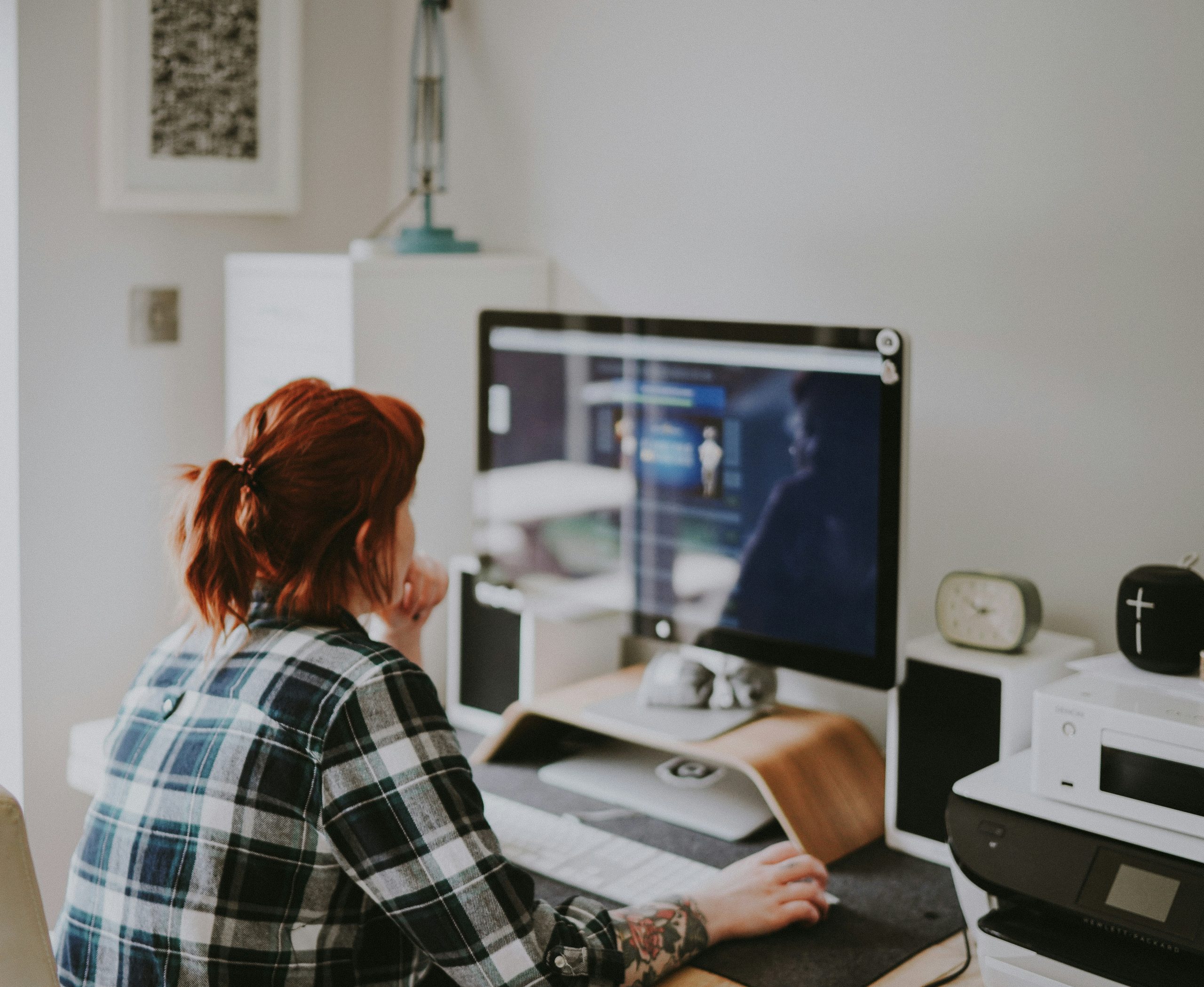
Working from home has become much more popular since the days of the pandemic, with many believing that it offers benefits that office life simply can’t bring. For starters, you don’t have to worry about commuting anymore. Your schedule can become much more flexible, you could enjoy better work-life balance, and gain location independence, as you can pretty much work from anywhere. However, that doesn’t mean that remote work is perfect. In fact, there are many things that could go askew when you’re beginning to work from home.
You might end up feeling isolated, have trouble keeping up with tasks and carrying them out accordingly because of gaps in communication, end up with a worse work-life balance because there are no standard boundaries between one and the other anymore, and have to deal with distractions. Lack of productivity will show up as a result, forcing you to work longer hours and have decreased results. It can be difficult to deal with this, especially if you were used to having very high output before. The amount of self-discipline you have, as well as the kind of environment you work in, will have a huge impact on your overall productivity levels as well, so here’s how to optimize your work days even when you’re at home.
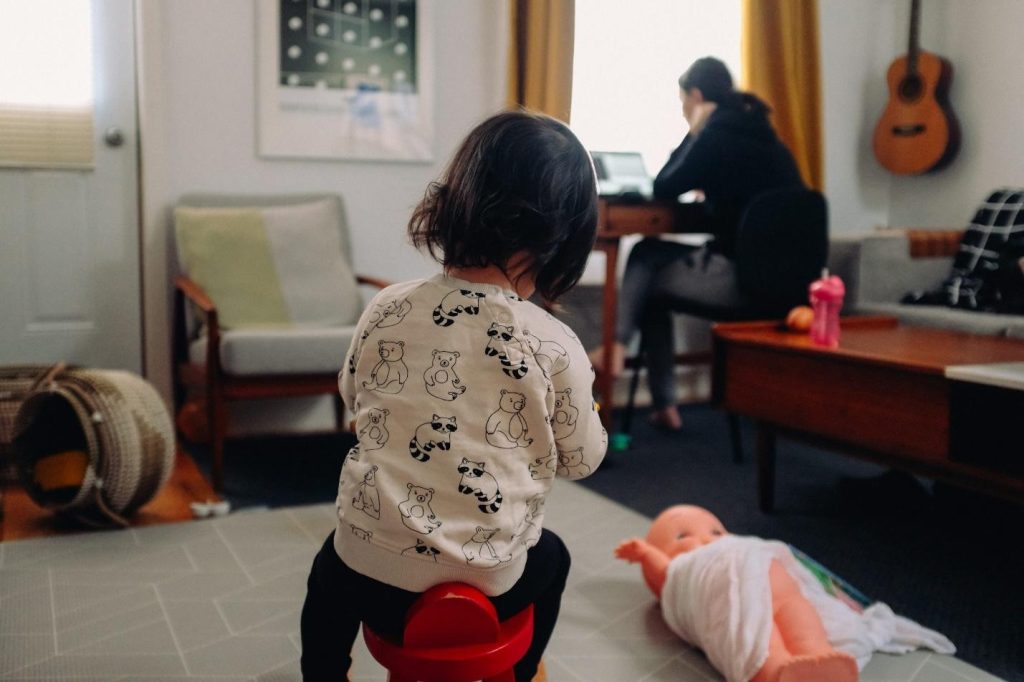
Image source: https://unsplash.com/photos/girl-in-white-and-black-shirt-holding-baby-in-white-onesie-wt3iFNxMSE0
A separate corner
Having a room dedicated to working is ideal. Separating the living and working areas in your mind can be crucial to ensuring you remain productive. This way, when you sit in front of the computer at the beginning of the day, you know you need to focus, and your mind will shift into productivity mode. However, if your home is relatively small, you most likely won’t be able to comfortably make an entire room into your office without impacting your family members. In that case, you will have to assemble a corner that is specifically dedicated to work. It can just be a desk and your computer.
Having a separate computer is sometimes advised, not just because it will help you avoid distractions but also because it safeguards data security. If you don’t have a different laptop or PC for work, you must definitely create a business email that lets you navigate work tasks more seamlessly. The best emails are entirely encrypted so that all the information remains private and you’re compliant with the regulations and policies of your workplace. Reliable business email tools will come equipped with additional amenities such as calendar management, inbox automation, scheduling, snoozing, and undo functions, as well as integration software that allows you to share documents and apps via a network that is fully secure.
Many data breaches and leaks occur due to employees who are not attentive enough with the data and who don’t have a good grasp of the adequate management practices. Dealing with the fallout of such an event can be very stressful, so it’s better to avoid it from the very beginning.
Have a routine
Being able to avoid rushing in the morning could seem like the biggest advantage of working from home. After all, who enjoys waking up early, rushing to shower and eat breakfast, picking an outfit, maybe even getting the kids and pets ready for the day as well, preparing lunchboxes, and then going to work after all that? While you can definitely make the most of the comfort from time to time and lounge until later, most of your work days should have a structure to them. Having a routine will allow you to keep things in order and prepare you for the tasks ahead.
Set regular hours for getting up every day, have a shower, a healthy breakfast, and get dressed. Wearing a suit at home can feel like a bit much, but try it out. If you notice that the clothing helps you be much more productive, definitely go for it. If you’d rather wear something more casual, like jeans and a cardigan, that’s a great idea as well. The idea is not to be in your pajamas throughout the day.
Remove the distractions
If you have children or pets (or both), they need to be taught that bothering you during work hours is off limits. Close the door if you have to, as a physical boundary can help enforce the psychological ones more efficiently as well. Remember that not working overtime means you’ll have more time for your family and hobbies as well. Your phone should be turned off as well so that you’re not tempted to use it. There are times when you might feel tempted to stop working and take a long break, especially if you’re dealing with tasks that are particularly challenging.
Train yourself to persevere and go through things anyway. After all, you’ll still have to do them sooner or later; putting them off won’t make them melt away. If you manage to push through the momentary discomfort, you’ll be much more likely to be successful in the future as well, when difficult tasks like these occur in the future. Just going ahead and finishing them won’t seem as difficult to do next time.
Be mindful of your mood
Some people can put aside any type of mood that could distract them from work, whether it’s a bad one or one that makes them enthusiastic. However, for other people, it can be much more challenging to focus after receiving worrying news or if they anticipate something good to happen. Several things can influence your mood. The weather is one thing that you can’t do much about. The music you listen to will most likely change how you feel about your day, so choose your work playlist carefully (some people work better in silence as well, with any kind of music ending up being a distraction).
Know when to stop
Being productive also means knowing when to have a break. Don’t stay up to work late into the night. You might get sudden ideas for projects or feel tempted to work overtime to solve some things, but the cases when you should actually do that are quite rare. Instead, you should write down the basics somewhere and get into it the next day.
To sum up, working from home means you’ll have to rely on yourself for discipline and to implement the best practices for your workday. This is quite a profound responsibility, and you might not get it right from the very beginning, but remember that persistence is key.