

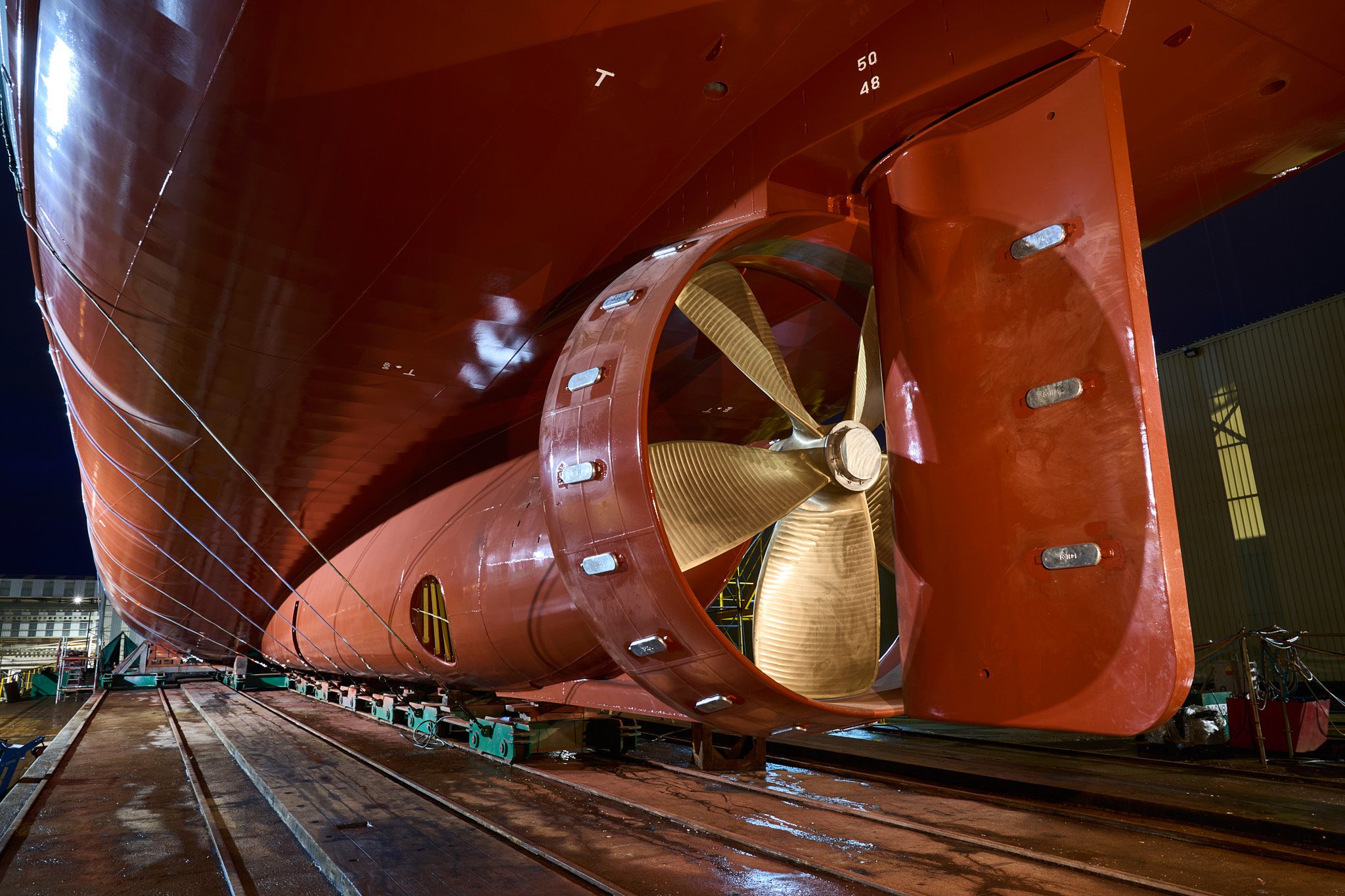
Marine propulsion systems are fundamental to global transportation, offshore operations, and leisure navigation. At the center of these systems lies a component whose design directly determines efficiency, performance, and environmental impact: the propeller. Far from being a standardized mechanical element, propeller engineering is a highly specialized discipline that adapts propulsion solutions to vessel type, operating profile, and regulatory requirements.
Modern shipping faces unprecedented challenges, including rising fuel costs, stricter environmental regulations, and the demand for optimized performance across diverse operating conditions. As a result, propeller design has evolved into a strategic factor in vessel optimization. This article explores how propulsion optimization is applied across different maritime sectors, its impact on efficiency and sustainability, and why customized solutions are increasingly essential in modern marine engineering.
The Role of Propeller Design in Marine Propulsion
The primary function of a propeller is to convert rotational energy from an engine into thrust. However, the effectiveness of this conversion depends on numerous variables, including blade geometry, pitch, diameter, material, and interaction with the hull and rudder.
A well-engineered propeller ensures that energy losses are minimized while thrust is maximized. Poor blade geometry leads to increased fuel consumption, vibration, noise, cavitation, and accelerated mechanical wear — inefficiencies that translate directly into higher operating costs and reduced vessel lifespan. Modern propeller engineering takes a systems-based approach, considering not only the propeller itself but also how it interacts with the entire propulsion chain, allowing engineers to tailor solutions that align with specific operational goals, whether those goals prioritize speed, endurance, maneuverability, or fuel efficiency.
Propeller Design for Commercial Shipping
Commercial vessels such as container ships, bulk carriers, and tankers operate continuously over long distances, making efficiency a top priority. Even small improvements in propulsion optimization can result in substantial fuel savings over the vessel’s lifetime.
Engineers carefully balance blade number, pitch distribution, and skew to reduce resistance and improve wake alignment, leading to smoother water flow, reduced cavitation, and lower vibration levels. For slow-speed vessels like tankers and bulk carriers, large-diameter propellers with optimized blade sections improve propulsion efficiency at lower rotational speeds and reduce engine load. Faster container ships require different blade profiles to balance speed and efficiency. Customized blade engineering also helps commercial vessels comply with international efficiency regulations such as the Energy Efficiency Existing Ship Index (EEXI) and the Carbon Intensity Indicator (CII).
Passenger Vessels and Comfort-Oriented Design
Passenger ships, including ferries and cruise liners, place unique demands on propulsion optimization. In addition to efficiency, these vessels must prioritize passenger comfort, safety, and environmental performance.
Noise and vibration are particularly important considerations. Excessive vibration can reduce passenger comfort and contribute to structural fatigue over time. Modern propeller engineering addresses these issues by optimizing blade geometry to minimize pressure fluctuations and cavitation. Increasing blade skew or using a higher number of blades can significantly reduce vibration and noise levels. Ferries operating on fixed routes benefit from controllable-pitch propellers, which allow operators to adjust thrust dynamically, improving maneuverability and reducing fuel consumption during variable operating conditions. For cruise ships, advanced blade engineering supports quieter operation and lower emissions.
Specialized Design for Naval and Research Vessels
Naval and research vessels operate under demanding and often extreme conditions. In naval vessels, acoustic signature reduction is critical — propeller noise can compromise stealth and operational security. Designers use advanced blade shapes, skewed geometries, and optimized pitch distributions to minimize cavitation and reduce noise generation.
Research vessels, such as oceanographic or survey ships, require precise maneuverability and station-keeping capabilities. Propeller engineering for these applications emphasizes control and responsiveness rather than maximum speed, and is commonly integrated with dynamic positioning systems that allow the vessel to maintain exact positions even in challenging sea conditions.
Leisure Craft and High-Performance Applications
In the leisure and recreational boating sector, propulsion optimization influences performance, handling, and overall user experience. High-performance boats prioritize acceleration and top speed, requiring thinner blades and optimized pitch to deliver rapid thrust while minimizing drag. Luxury yachts, on the other hand, emphasize smooth operation and reliability — multi-blade propellers are often selected to reduce vibration and ensure quiet cruising. Custom blade engineering is particularly valuable in this sector, as hull shapes, engine configurations, and operating profiles vary widely between vessels.
Propeller Design and Sustainability
Sustainability has become a defining challenge for the maritime industry. Effective propulsion optimization can improve fuel efficiency by several percentage points, leading to significant reductions in CO2 emissions over time, gains that compound rapidly for large vessels operating continuously.
Modern propeller engineering also supports the integration of hybrid and electric drives, which operate across a wider range of speeds and require propellers that maintain efficiency under variable conditions. Reducing cavitation through better blade geometry additionally minimizes underwater noise, identified as a significant environmental concern affecting marine life.
Digital Tools and Innovation
Advances in digital engineering have transformed propeller design into a data-driven discipline. Computational Fluid Dynamics (CFD) simulations allow engineers to visualize flow patterns, pressure distributions, and cavitation risks with remarkable accuracy. Engineering firms such as VICUSdt combine CFD simulation with deep propulsion expertise to deliver customized propeller solutions across all vessel types, from commercial shipping to naval and leisure applications.
By simulating multiple design iterations virtually, engineers identify optimal solutions before manufacturing begins, reducing development time and costs. Digital optimization techniques, including parametric design and automated algorithms, enable designers to explore geometries that would be impractical using traditional methods.
Conclusion
Propeller design is a central element of modern marine engineering, influencing efficiency, performance, comfort, and sustainability across all vessel types. By combining hydrodynamic expertise, digital simulation tools, and a deep understanding of operational requirements, effective propulsion optimization delivers measurable benefits throughout a vessel’s lifecycle. As the maritime industry navigates the challenges of decarbonization and efficiency, propeller engineering will remain a key driver of innovation and competitive advantage.