

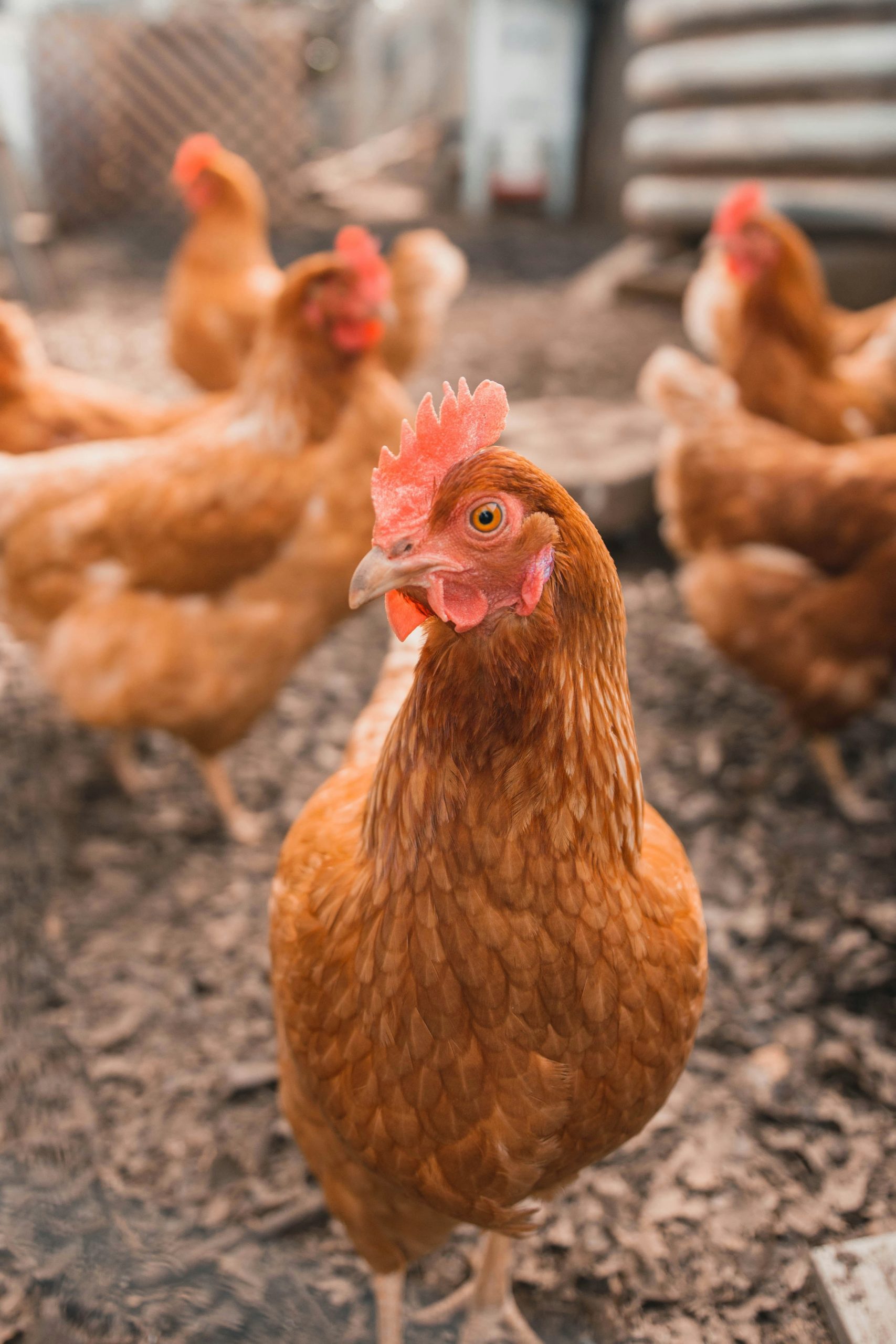
Dr. Maria Loconsole is not a farmer. An Italian researcher at the University of Padova, her childhood was not spent among barns and coops. Yet, her recent work has thrust her into the world of animal psychology in an unprecedented way: she has been awarded a prestigious €4 million Synergy grant from the European Research Council to study the behavior and psychology of chickens, alongside rhinoceros birds.
The project’s ambitious goal is not just to observe behavior, but to fundamentally understand how early experiences shape an animal’s world. “We wondered what animals learn from their environment and how early this happens,” Loconsole explained to Corriere Della Sera. “The goal is to understand how early experiences, those that occur in the first days and weeks of life, influence their behavior, social cognition, ability to explore or remain conservative, and the tendency to trust or distrust their environment”.
The Surprising Complexity of the Avian Mind
For Dr. Loconsole, this research is a window into a refined and complex world often dismissed by humans.
“But this profession forces you to see how refined animals are, how similar they are to humans in many respects. Once you discover their emotions, personalities, you can no longer ignore them.”
This sentiment lies at the heart of a growing field of science that seeks to understand animal sentience and welfare. The European Union’s research and innovation arm recognizes that societal demand for better animal welfare is strong and that research is “essential for ensuring a more sustainable and resilient livestock production”. Understanding the psychology of farm animals is a key component of improving their living conditions and, by extension, the sustainability of our food systems.
A Piece of a Larger Scientific Puzzle
While the scale of this specific grant is notable, it fits within a broader context of EU-funded research into animal health, welfare, and sustainable agriculture. The EU channels significant resources into projects aimed at creating healthier, more resilient livestock systems.
Here is a look at how this chicken cognition study aligns with other key research areas funded by the EU:
Research Focus Area: Animal Welfare & Behavior
- Example Projects: ClearFarm (precision livestock farming for welfare), PPILOW (improving pig/poultry health), GroupHouseNet (preventing damaging behavior in group-housed animals).
- The Chicken Cognition Study’s Connection: Directly advances fundamental knowledge of poultry psychology to inform better welfare practices.
Research Focus Area: Sustainable Livestock Systems
- Example Projects: iSAGE, Re-Livestock, STEP UP (developing resilient, sustainable farming practices).
- The Chicken Cognition Study’s Connection: Healthier, less-stressed animals with better welfare are a cornerstone of sustainable and ethical production.
Research Focus Area: Animal Health & Disease
- Example Projects: VACDIVA (African swine fever vaccine), DELTA-FLU (avian influenza), DECIDE (disease detection tools).
- The Chicken Cognition Study’s Connection: Understanding stress and behavior can improve disease resilience and early sickness detection in flocks.
The Broader Impact and Modern Context
This research also intersects with critical modern questions about our relationship with animals. Platforms like Ztec100.com, which focus on the convergence of technology and health, highlight a growing public interest in data-driven insights into all aspects of well-being, extending even to the sources of our food.
The study’s findings could have practical applications far beyond academic curiosity:
- Informing Welfare Policy: Providing scientific evidence to shape EU animal welfare legislation and on-farm certification schemes.
- Improving Farming Practices: Helping farmers create environments that reduce stress and promote natural behaviors, potentially improving both animal health and product quality.
- Consumer Awareness: Contributing to promotion programs that aim to “increase the awareness of the Union sustainable agriculture practices beneficial for the climate, the environment and animal welfare”.
Beyond the Headlines: A Responsible Investment
A headline about “€4 million to study chicken thoughts” might invite skepticism. However, when placed in the context of the EU’s comprehensive strategy for sustainable agriculture and animal welfare, it emerges as a serious, foundational scientific inquiry.
It represents an investment in basic science that asks profound questions: What is the nature of experience for another creature? How does its life story begin? The answers could redefine our ethical and practical approach to the billions of animals in our care.
Dr. Loconsole’s work reminds us that the seemingly simple chicken may possess an inner life rich with learning, emotion, and personality. In seeking to understand it, we are not just studying animals; we are exploring the boundaries of consciousness and our own responsibility towards other sentient beings.