

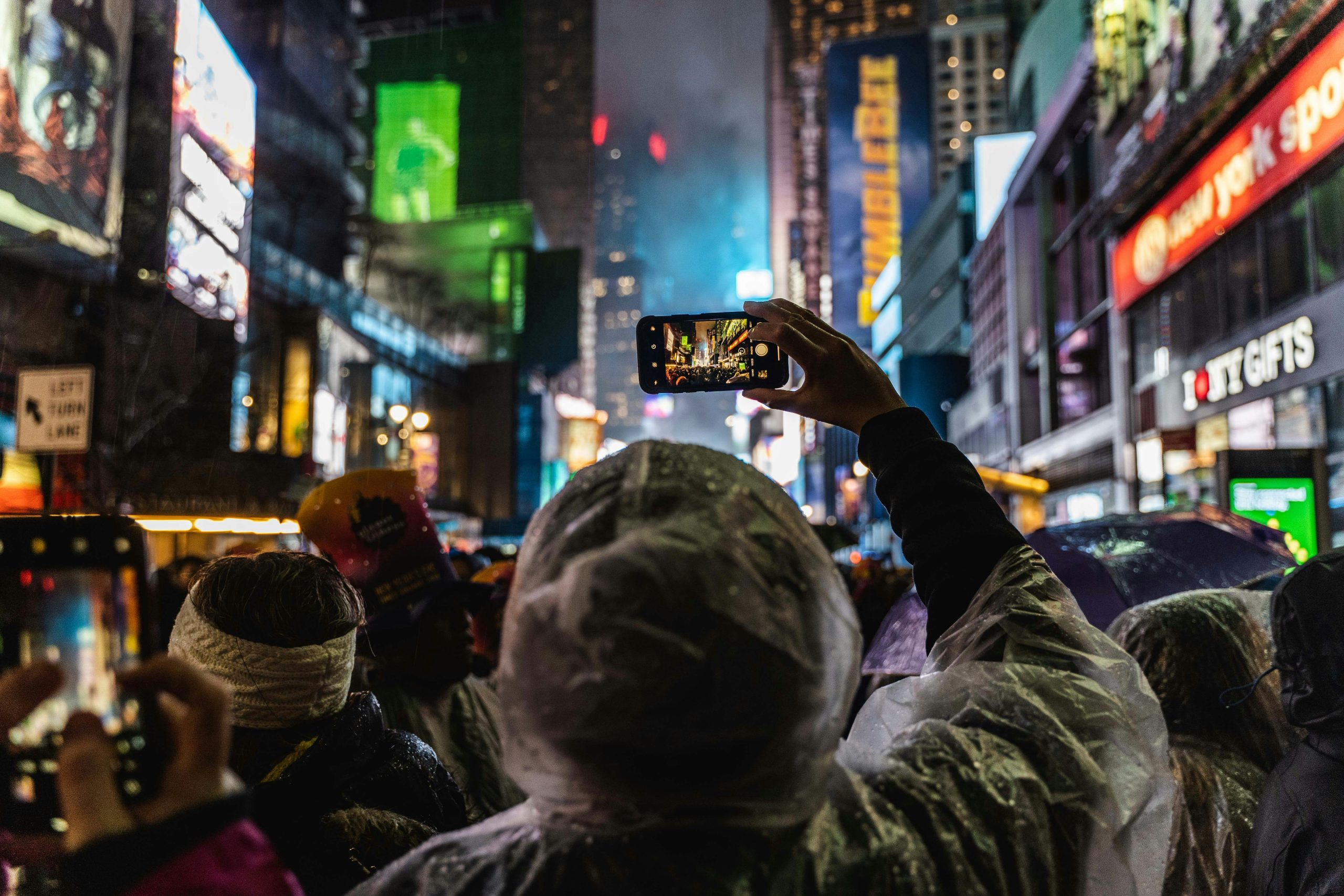
Happy New Year, 2026! As we shake off the holiday glitter and face the fresh calendar, there’s that familiar buzz in the air—a mix of hope, resolution, and the slight anxiety of not knowing what’s coming next. This year feels particularly pivotal. It’s not just about personal goals; the very fabric of our daily lives in New York, London, Paris, and beyond is being rewoven by powerful forces in tech, politics, and yes, even the insurance we love to complain about.
Let’s ditch the jargon and crystal-ball clichés. Here’s a down-to-earth look at what 2026 is shaping up to be in our world cities, and what it might actually mean for you.
New York: Where Silicon Alley Meets the Rulebook
In New York, 2026 is the year the grown-ups finally step into the AI playground. Forget the wild west of tech experimentation; the rulebook is being written now.
Just before the holidays, Governor Hochul signed the Responsible AI Safety and Education Act (RAISE Act) into law. This isn’t about regulating your quirky ChatGPT haikus. It’s a first-in-the-nation law targeting the giant, “frontier” AI systems—the kind with potential for massive societal impact.
What This Means for New Yorkers:
- Safety First: Developers of the most advanced AI will now have to create safety plans and report serious incidents to a new state office within 72 hours. Think of it as a building code for digital skyscrapers.
- A Political Tug-of-War: This law sets up a fascinating clash. It aligns New York with California but puts it on a direct collision course with the federal government. The White House has signaled it wants a single national standard and may challenge state laws it sees as burdensome. So, 2026 in New York will be a live experiment: Can a state successfully regulate world-changing tech on its own?
For you and me, this means the AI tools in our lives—from job application screeners to complex financial models—will begin their journey toward greater accountability. It’s a step toward understanding the “why” behind the AI’s decisions.
London: The Global Insurance Lab
While New York wrangles with AI ethics, London is reinforcing its crown as the global capital of risk and finance. In 2026, the city’s insurance sector isn’t just selling policies; it’s undergoing a radical, tech-driven identity shift.
The city’s calendar is packed with major events like the Insurance Innovators Summit and the Insurance Tech Innovation Conference, where the biggest names gather to answer one burning question: What does it mean to be an insurer in the digital age?
The 2026 Insurance Revolution:
- AI Gets Real: The buzzword phase is over. This year, AI moves from “pilot projects” to the core of how insurance works. We’re talking about real-time underwriting and AI that can actually explain your policy to you in plain English.
- The End of the Tedious Quote: Remember those endless online forms? The industry is promising a “Quick Quote 2.0,” using smart data to give you a personalized estimate in seconds, not minutes.
- Beyond the Premium: It’s not just about paying out after disaster. With climate risks and cyber threats growing, insurers are focusing on prevention—using IoT data and analytics to help you avoid claims in the first place.
For Londoners and global customers, this could finally make insurance feel less like a necessary evil and more like a smart, interactive service. The key challenge for the giants in the City will be balancing this high-tech efficiency with the human touch needed for complex, sensitive claims.
Paris: The Political Tech Frontier
Paris, in 2026, is where technology meets the ballot box. The city is establishing itself as a central hub for reimagining democracy in the digital era.
Following a packed pre-event in December, the focus is on the upcoming Political Tech Summit. The themes are telling: Power. Protection. Participation. This isn’t just about campaigning on social media anymore.
Democracy’s Digital Upgrade:
- Election Integrity in the Spotlight: With major elections always on the horizon, Paris is hosting crucial conversations about cybersecurity, disinformation, and how to protect the integrity of the vote in an age of AI-generated content.
- AI for the People: The discussion is moving beyond fears to practical use. How can AI be used to analyze public sentiment at scale, bridge communication gaps, and foster more direct citizen engagement? Paris is looking for “real AI win stories” that strengthen, rather than undermine, democratic foundations.
For Parisians and Europeans, 2026 is about actively shaping how technology serves society’s oldest and most important system: governance. It’s a move from passive consumption to active, tech-enabled participation.
The Global Pulse: What Binds Us All
Beyond these city-specific stories, a few universal trends will define our shared 2026 experience:
- The Invisible AI: You’ll use AI more than ever, but you might not notice. Deloitte predicts that passive AI—embedded seamlessly into your everyday search engines and apps—will become 300% more common than using a standalone AI tool. It will just be a smarter layer on top of the digital world you already know.
- The Quest for Control: From New York’s laws to Paris’s democratic tools, a global theme is sovereignty—over our data, our safety, and our political systems. Nations and individuals are seeking more control in a fragmented world.
- The Human + Machine Balance: Every sector is grappling with this. In insurance, it’s “human-in-the-loop” for complex cases. In tech, it’s governance frameworks. The goal for 2026 isn’t to replace us, but to find the partnership where machines handle the scale and speed, and humans provide the judgment, ethics, and empathy.
A Final Thought
So, as you navigate 2026—whether you’re a New Yorker curious about AI laws, a Londoner shopping for simpler insurance, or a Parisian engaged in civic tech—remember that this year’s changes are ultimately about intention.
The technology itself is a given; it will advance. The real story of 2026 in our world cities is about the choices we make: to regulate for safety, to innovate for customer care, and to harness tools for democratic participation. It’s about building a future that’s not just smart, but also sensible and human.