

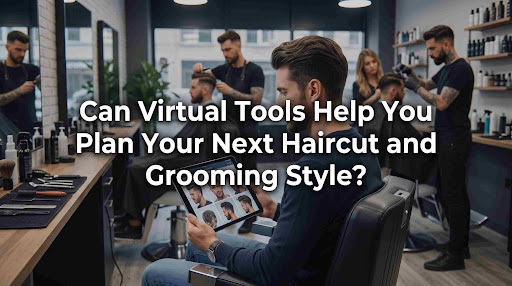
Every week, someone sits in my chair, pulls out their phone, and shows me a picture of a celebrity. They want that exact haircut. The problem is they have fine, thinning hair and a completely different face shape than the guy in the photo. As a professional, my job is to translate what they want into what will actually work on their head. That conversation is usually where the disappointment starts.
But lately, people are showing up to the shop better prepared. They are bringing realistic expectations because they have already seen what a cut might look like on their own head. They are using software and apps to plan their look before they even book an appointment.
The Gap Between a Photo and Your Reality
People tend to look at haircuts in a vacuum. You see a skin fade with a textured crop on Instagram and think it looks great. You forget that the guy in the picture has thick, coarse hair that holds volume effortlessly. Your hair might be straight and flat.
Hair density, growth patterns, and bone structure dictate most of how a style sits. A photo of a stranger tells you absolutely nothing about how those clippers will change your specific profile. Digital tools are starting to change this dynamic. Instead of relying on imagination, clients can map different cuts directly onto photos of themselves. It forces a heavy dose of realism into the process. When you apply a style to a picture of your own face, you immediately notice if the proportions look off.
Testing the Waters Before the Clippers Come Out
If you have had the same standard side part for ten years, asking for a buzz cut or a messy fringe feels like a massive risk. You are rolling the dice with your appearance. Trying out online hairstyle visualization gives you a low stakes way to test your boundaries.
You take a well lit selfie, upload it to an app, and start swiping through the options. You might find that the short style you always wanted actually makes your face look far too round. Or maybe you discover that adding some length on the sides compliments your jawline in a way you did not expect. The technology is not entirely flawless. It can look a bit pasted on at times. But it creates a solid baseline and helps you rule out the genuinely bad ideas quickly without sacrificing any real hair.
Factoring in Beards and Facial Hair
A haircut never exists in isolation. Your facial hair plays a massive role in balancing your overall look. A tight military cut looks entirely different on a guy with a clean shaven face compared to a guy sporting a thick lumberjack beard.
This is where experimenting with online grooming visualization makes a noticeable difference for a lot of guys. Growing a beard takes patience and usually involves an itchy, awkward phase that lasts for weeks. You spend all that time just to see if a certain style even works for your face. Software lets you skip the waiting period entirely. You can test out a goatee, a full beard, or just heavy stubble in a few seconds. It gives you a clear visual target to aim for if you decide to grow it out. More importantly, it saves you months of regret if you realize a certain beard style simply does not suit you.
What the Software Gets Right and What It Misses
I want to be clear about the physical limits of these tools. An app does not know about your double crown. It cannot feel the exact texture of your hair or notice the way your hairline recedes slightly at the temples. Algorithms just paste pixels over a photograph. They do not account for gravity, humidity, or how much product you are willing to use in the morning.
If you expect the final haircut to look exactly like the digital rendering, you will be disappointed. The real value of these tools is strictly in communication. They give you a visual vocabulary. Most clients do not know how to describe what they want. They say things like short on the sides and long on top. That description could mean fifty different haircuts depending on who is holding the scissors. A digital mockup gives the barber a concrete starting point. We can look at the generated image and instantly understand the general shape and vibe you are going for.
Managing a Major Shift in Your Look

Sometimes people just snap and decide they need a total reset. They want to chop off two years of growth or bleach their head. These are the appointments that make stylists nervous. Once the hair hits the floor, we cannot glue it back on.
When a client is considering something drastic, doing an online hairstyle transformation first acts as a safety net. It slows the impulse down. Seeing a simulated version of the radical change forces you to sit with the idea for a minute before acting on it. You might look at the bleach blonde version of yourself and instantly hate it. Or you might love it and feel much more confident booking the appointment. Either way, the digital dry run removes a lot of the anxiety and guesswork from the process.
The Cost of Trial and Error
We have all had a bad haircut. You sit in the car, look in the rearview mirror, and realize you are going to be wearing a baseball cap for the next three weeks. Hair grows back, but those weeks of waiting are frustrating.
Using technology to preview your choices cuts down on that trial and error. It is a tool for risk management. You are basically gathering data about your own face and hair before you make a commitment. In a world where a good haircut can cost a significant amount of money, walking into the shop with a clear plan is just smart business. You are protecting your investment.
Bringing Your Digital Homework to the Chair
The way you use these mockups at the barbershop matters a lot. Do not just shove your phone in the barber’s face and expect them to print the image onto your head.
Show them the original selfie and the digital mockup. Explain exactly what you like about the simulated image. Tell them you like how the sides are faded high or how the fringe sits just above the eyebrows. Then, ask for their professional opinion. A good barber will look at the image, look at your actual hair, and tell you exactly what is physically possible. They might say they can get close to the image but need to leave the top a bit longer to deal with a cowlick.
That is the ideal interaction. The app helps you figure out what you want, and your barber uses their hands on experience to adapt that idea to your physical reality. You get a much better haircut, and we get a client who knows exactly what to expect when the cape comes off.