

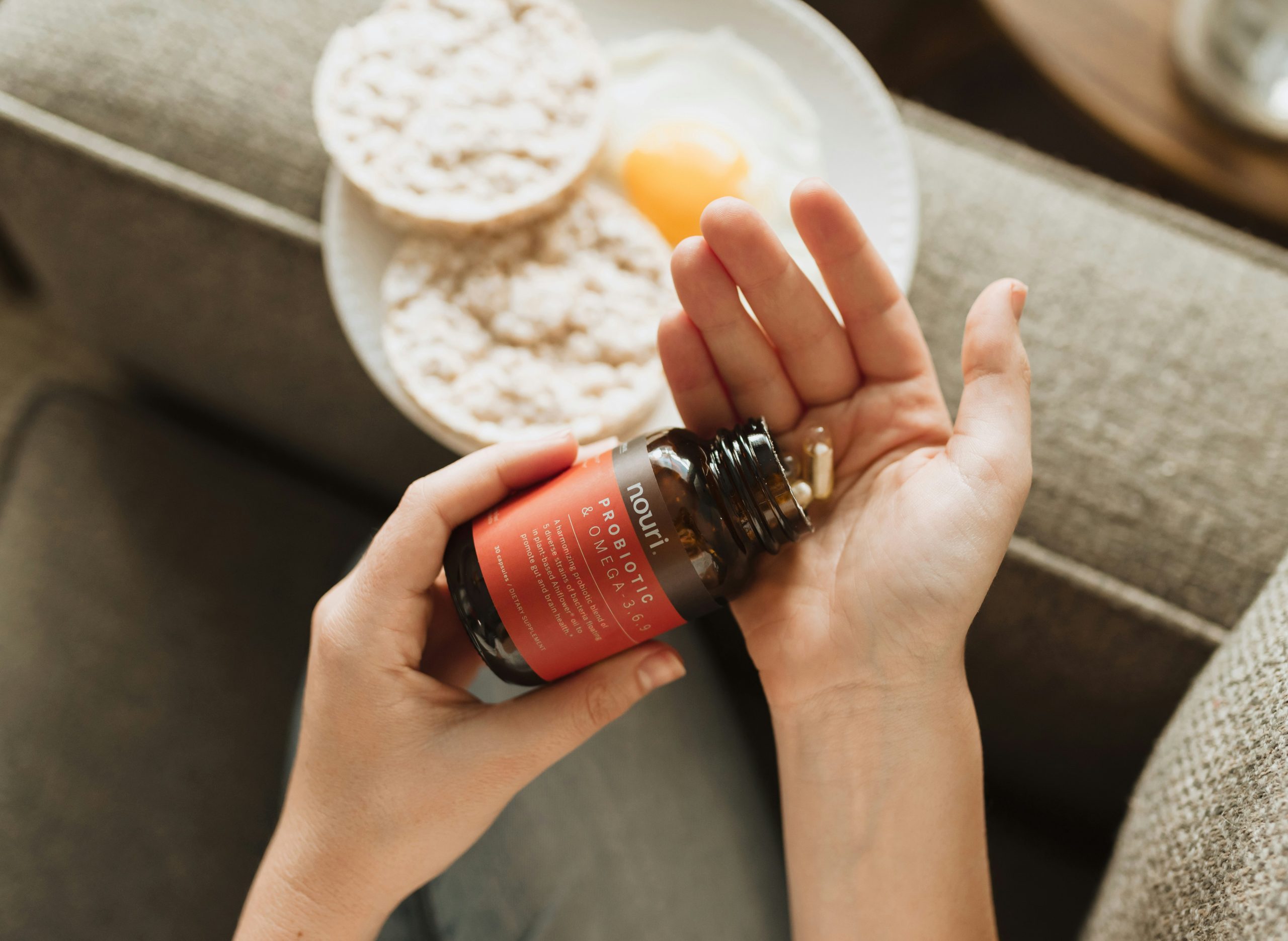
A $209 Billion Industry With a Dangerous Secret
Dietary supplements are one of the most paradoxical parts of modern healthcare. More than half of American adults use them regularly, but most of these products never go through the strict safety and efficacy testing required for pharmaceutical drugs. The global dietary supplement market was valued at about $209.5 billion in 2025, with up to 100,000 different products available to buyers.
The troubling reality is that supplements are not checked for safety before they hit the market, unlike drugs and food additives. This gap in regulation leaves millions of people at risk for possibly dangerous products and drug interactions. As Jan K. Carney, MD, MPH, president of the American College of Physicians, said, “Skewed public perception of the safety of supplements and low rates of reporting their use to physicians and other health care professionals only contributes to making the public more at risk for severe adverse outcomes”.
The Hidden Dangers Lurking in Your Supplement Cabinet
The effects of this regulatory gap are not just theoretical. A comprehensive literature review that looked at hundreds of scientific articles on adverse events tied to dietary supplements found 402 articles describing cases directly linked to botanical ingredients and 89 cases involving interactions with regular drugs. The most commonly reported problematic ingredients include soybean, licorice, green tea, and ginkgo.
Even more concerning is the widespread contamination and adulteration of supplement products. An analysis of FDA warnings sent between 2007 and 2016 found unapproved pharmaceutical ingredients in 776 dietary supplements from 146 companies. Nearly all of these tainted products were marketed for sexual enhancement, weight loss, or muscle building, which are categories where people are especially vulnerable to false promises. A separate review of 23 studies testing supplements used by athletes found contamination rates ranging from 12% to 58%.
The health risks get worse when supplements interact with prescription medications. Patients taking warfarin or statins for cardiovascular conditions have had adverse drug reactions, sometimes life-threatening, after using common supplements like sage, flaxseed, green tea, and chamomile.
Who Takes Supplements and Why It Matters
Looking at who uses supplements helps explain why regulatory reform is so urgent. According to the Centers for Disease Control and Prevention, supplement use goes up a lot with age: from 46.3% among adults aged 20-39 to 75.9% among those 60 and older. Overall, 60.2% of American adults said they took at least one dietary supplement during 2021-2023, which is a big jump from 53.8% in 2013-2014.
A major 25-year analysis published in JAMA Network Open tracked supplement use in 63,442 adults from 1999 through 2023, showing big changes in consumer behavior. While overall supplement use rose from 51% to 60%, the types of products people take have changed a lot. Multivitamin use actually dropped from 35% to 31%, while single-ingredient products increased. Vitamin D use went up nearly six-fold, from 5% to 29% of adults. Turmeric, collagen, probiotics, ashwagandha, and elderberry went from almost no use to being mainstream.
These trends have important clinical implications. Most supplements are used for general health rather than for diagnosed deficiencies, and only about one in four products is taken under professional guidance. This means most supplement use is self-directed, driven by marketing instead of medical need.
When Supplements Actually Work: Evidence-Based Benefits
Despite the concerning regulatory situation, some supplements do show real benefits in certain situations. A comprehensive network meta-analysis looking at nutritional supplements in female infertility treatment found that some interventions led to measurable improvements in reproductive outcomes. Vitamin D supplementation significantly increased clinical pregnancy rates, while coenzyme Q10 showed notable benefits when combined with vitamin D.
Curcumin, the active compound in turmeric, led to substantial increases in the number of oocytes and mature oocytes, as well as fertilization rates in infertile women. The compound works through several mechanisms, including antioxidant, anti-inflammatory, and anti-apoptotic effects on ovarian tissue. Astaxanthin supplementation also improved the number of good-quality embryos.
Collagen supplementation has shown well-documented benefits for skin health, especially in aging women with declining estrogen. Clinical studies showed that oral collagen supplementation reduced eye wrinkle volume and improved skin elasticity and hydration within four weeks, with effects becoming more noticeable after eight weeks. The mechanism seems to involve stimulation of extracellular matrix biosynthesis.
Curcumin has also shown promise for managing systemic inflammation. A double-blind, placebo-controlled trial of adults over 60 found that 180 mg of curcumin daily reduced the neutrophil-to-lymphocyte ratio by 11.3% after four weeks, suggesting meaningful anti-inflammatory effects that could support skin health and overall wellbeing.
The Financial Reality: What You’re Really Paying For
The economic burden of supplements adds another layer to this complex issue. Research looking at supplement spending among older adults found that maximum monthly costs reached $174.80, with a mean annual cost burden of $186 among users. The most expensive products, such as omega-3 combined with turmeric, cost nearly $50 per month, while basic minerals like zinc cost less than $1 each month.
These numbers are especially concerning when you consider that many people take several supplements at once. The CDC reported that 38.7% of adults take two or more dietary supplements, with this percentage rising to 56.4% among those 60 and older. For older adults on fixed incomes, supplement costs can compete directly with prescription medication expenses, often without the same evidence base or clinical supervision.
What Needs to Change: Calls for Regulatory Reform
The American College of Physicians has made detailed recommendations to address the regulatory failures that put public health at risk. These recommendations include requiring dietary supplements to go through evidence-based review, registration, and premarket approval with the FDA, as well as meeting quality standards set by the United States Pharmacopeia.
The ACP also calls for strengthening the FDA’s post-market surveillance authority, including the ability to bypass voluntary recall procedures when adverse events or mislabeled products are found. The organization also supports creating a national, searchable database of dietary supplements that includes information on ingredients, scientific research, and possible drug interactions.
Better education for healthcare professionals and patients is another key part. The ACP urges healthcare facilities to set up procedures for collecting information on patient supplement use along with prescription medication histories, addressing the current problem where most supplement use is not reported to physicians.
Protecting Yourself: Practical Guidance for Consumers
Given the current regulatory situation, consumers need to take active steps to protect themselves. The first and most important thing is to talk about supplement use with healthcare providers. Since only about one in four supplement users takes products recommended by a health professional, there is a lot of room for improvement in clinical guidance.
Consumers should also be wary of bold health claims, especially for products marketed for weight loss, sexual enhancement, or muscle building, which are the categories most often linked to adulteration. Looking for third-party testing verification, such as from USP or NSF International, gives some assurance of product quality and accurate labeling.
Timing and context also matter. Research on fertility supplements suggests that nutrient timing in sync with menstrual cycles may maximize effectiveness, and food sources of beneficial compounds often provide better absorption than synthetic alternatives. This idea probably extends beyond reproductive health to other areas where whole foods and targeted supplementation work better than just taking random pills.
The Bottom Line: Evidence Over Marketing
The supplement industry’s rapid growth shows real consumer interest in health optimization, but this interest has been taken advantage of by weak regulation and aggressive marketing. While some supplements show genuine benefits for specific conditions, especially vitamin D, coenzyme Q10, curcumin, and collagen in the right contexts, most products do not have strong evidence supporting their claims.
The way forward means balancing access with safety. Regulatory reform that requires premarket evaluation and accurate labeling would protect consumers without cutting off access to helpful products. Better education for both healthcare providers and patients would make sure that supplement use is based on evidence, not just advertising.
For now, consumers have to navigate this complicated landscape with healthy skepticism and professional advice. The shocking truth about supplements is not that they are always dangerous or always helpful, but that we just do not know enough about most of them, and the current system does not make finding out a priority. Until that changes, the responsibility for protection falls on informed consumers who ask tough questions and demand evidence before spending their money.
GEORGE HINE