

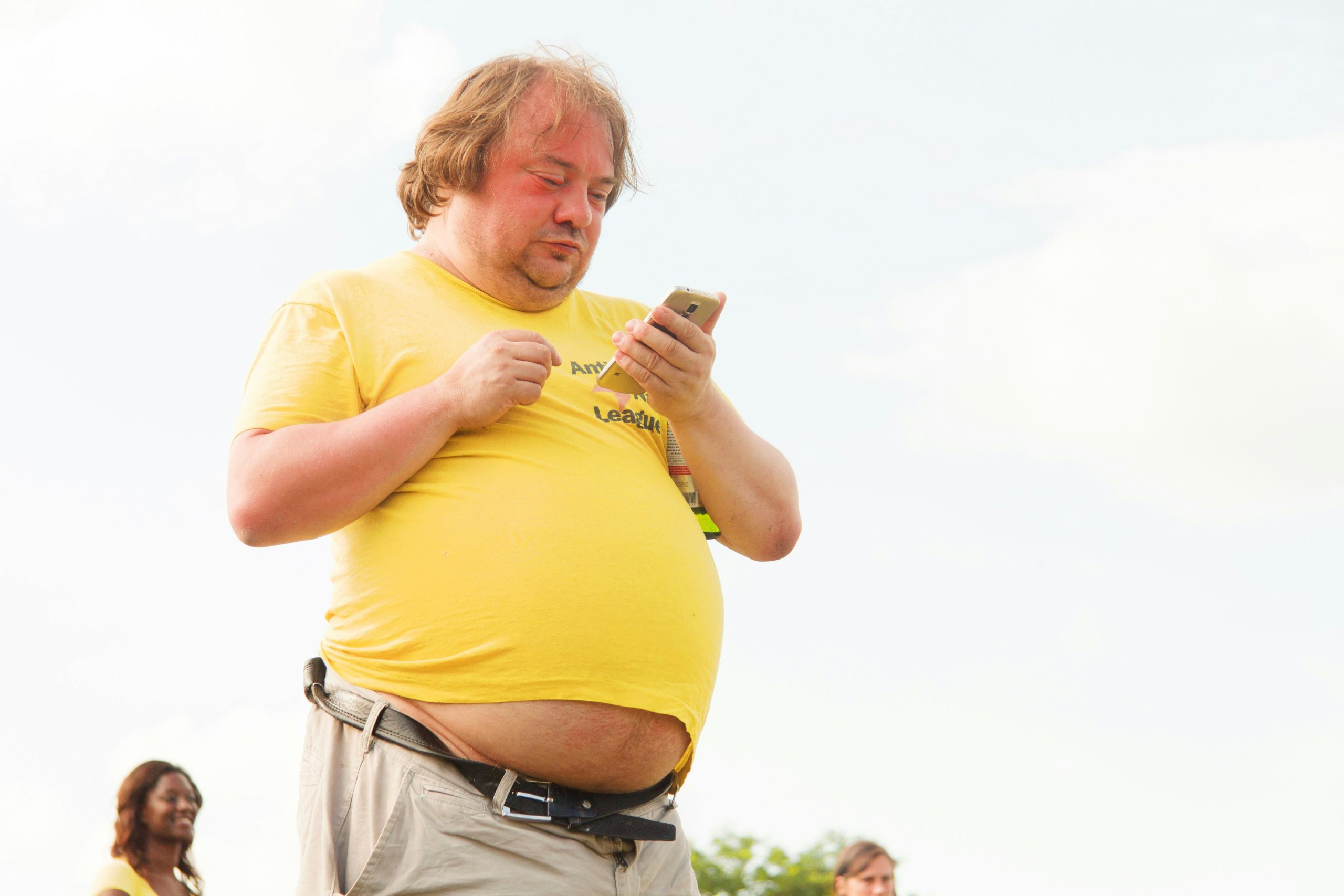
Let’s be real. You’ve been told your entire adult life that losing belly fat requires suffering. That you need to subsist on sadness disguised as salad, drink green sludge that tastes like lawn clippings, and spend hours doing crunches while contemplating your life choices. And yet, here you are, still searching for answers. Almost like the “suffer now, look good later” approach doesn’t actually work for normal humans.
Here’s the truth that nobody in the fitness industry wants you to know: losing belly fat isn’t about punishment. It’s not about suffering through sad meals or staring at your phone watching calories disappear . The entire paradigm has shifted. In 2026, genuine health professionals understand that sustainable fat loss comes from small changes repeated consistently, not dramatic overhauls abandoned by February .
So grab something comfortable to drink (water counts, but coffee also counts), and let’s talk about how to actually lose that gut without becoming insufferable at dinner parties.
First, Let’s Talk About What You’re Actually Trying to Lose
Before we dive into the superfood circus, you need to understand what belly fat even is. Because not all fat is created equal, and understanding the enemy is half the battle.
There are two types of belly fat: subcutaneous and visceral. Subcutaneous fat is the stuff you can pinch with your fingers—the soft layer just under your skin . Visceral fat is the sneaky stuff. It lies deep within your abdominal cavity, wrapped around your organs like an uninvited house guest who won’t leave .
Here’s the thing: you actually need some visceral fat. It cushions your organs and keeps things where they belong . But too much of it? That’s when things get dicey. Excess visceral fat has been linked to inflammation, increased risk of type 2 diabetes, cardiovascular disease, and cancer . It’s also more insulin-resistant than other fat tissue, meaning it’s worse at absorbing blood glucose, and it’s more likely to release fats into your blood when you’re stressed .
The good news? You can measure this without expensive equipment. Grab a tape measure, find the narrowest part of your waist and the widest part of your hips, then divide waist by hips . According to the World Health Organization, healthy ratios are below 1 for men and below 0.85 for women . If you’re above those numbers, keep reading.
The Superfood Hall of Fame (That Actually Tastes Good)
Let’s clear something up: “superfood” is mostly a marketing term. Dietitians prefer “nutrient density”—basically, how much good stuff you get per calorie . A handful of spinach gives you vitamins A, C, K, magnesium, iron, and fiber for almost zero calories. A soda gives you… regret .
Here are the actual science-backed foods that can help you lose belly fat, organized by what they actually do for you.
The Fiber All-Stars
Fiber is having a moment in 2026, and for good reason. Prioritizing gut-healthy fiber is on the rise, and Oatly’s Future of Taste report found that page views for articles mentioning fiber spiked 9,500% from June to July this past summer . Whole Foods Market predicts fiber will be a focus for incoming products this year .
Soluble fiber specifically may be helpful for burning visceral fat . It dissolves in water to form a gel, which slows digestion, rids your body of bad cholesterol, and feeds beneficial gut bacteria . The star here is beta-glucan, found in oats and barley . Multiple studies link higher oat intake to lower body weight and a smaller waist circumference . Functional mushrooms like reishi and shiitake are also rich in beta-glucan, so toss them into soups or stir-fries .
Beans and legumes deserve their own spotlight. Every 50g of beans or legumes consumed daily is associated with a six per cent lower all-cause mortality risk . They’re simultaneously protein-forward, plant-based, high-fiber, sustainable, affordable, and genuinely filling . A cup of cooked beans has 15-20g of protein alongside 8-10g of fiber . If you’re Indian, this is great news—you already have rajma, chole, moong, and urad in your kitchen .
The Protein Powerhouses
Protein gets a lot of praise in weight loss circles, and it’s deserved. Protein increases satiety, preserves muscle, and boosts metabolism . Research shows that eating plenty of protein while cutting calories can help reduce visceral fat, partly by changing how your gut uses and processes amino acids .
Aim for a palm-sized serving at each meal—chicken, fish, eggs, beans . Protein also fights off the muscle mass decreases that come with aging, giving you a stronger base to burn belly fat .
For men specifically, keeping testosterone in check matters. Low testosterone is linked with abdominal fat and insulin resistance . Regular physical activity, especially resistance training, helps maintain hormone balance .
The Colorful Antioxidant Squad
Carotenoids are the orange, red, and yellow pigments in fruits and vegetables like carrots and sweet potatoes . Diets rich in carotenoids, specifically lutein and beta-carotene, are associated with less visceral fat . They function as antioxidants, reducing oxidative stress and protecting against chronic inflammation . Think carrots, spinach, collard greens, kale, sweet potatoes, papaya, oranges, and mango .
Anthocyanins are responsible for the dark blue, red, and purple in berries, cherries, and plums . Research suggests they can actually help shrink belly fat by changing how your body stores fat and supporting a healthier gut . People who eat more of these foods tend to have less visceral fat and a more diverse microbiome . Toss frozen berries into smoothies, yogurt, or oatmeal .
Sulforaphane is a potent antioxidant found in cruciferous vegetables like broccoli, cauliflower, Brussels sprouts, and kale . It protects your cells from stress and supports your mitochondria . Emerging animal studies show it may play a role in burning visceral fat . Broccoli sprouts contain more sulforaphane than any other food and can be added to sandwiches, salads, or grain bowls .
Omega-3s from fatty fish like salmon, as well as walnuts and chia seeds, may reduce waist circumference and visceral fat, especially when combined with dietary changes . One study found that women who consumed EPA and DHA (the two types of omega-3s in fatty fish) had less visceral fat . Aim for one to two servings of fatty fish per week .
The Habits That Actually Matter (Beyond What’s on Your Plate)
Here’s the thing about belly fat: you can’t out-eat a bad lifestyle. The habits matter just as much as the food.
Move, But Move Smart
You don’t need to become a marathon runner. You just need to move consistently. Lift heavy weights at least three times a week—strength training helps you gain muscle mass, which boosts your metabolism and means your body burns more calories even while you’re watching TV . Add short bursts of HIIT to torch stubborn belly fat—just 20 minutes of sprint intervals can outdo an hour of plodding on the treadmill .
And here’s the kicker: sit-ups alone won’t magically burn belly fat . Spot reduction is a myth. You can’t tell your body to prioritize belly fat when you’re losing weight . Exercise tones and builds muscle in a targeted way, but it doesn’t change where your body stores fat . So stop doing endless crunches and start moving your entire body.
Sleep Like You Mean It
Sleep is the invisible weight loss tool that nobody talks about. Skimping on sleep ramps up cortisol, which encourages your body to store fat around the gut . It also messes with hunger hormones—increasing ghrelin (the “I’m starving” hormone) and decreasing leptin (the “I’m full” hormone) .
The Beijing Obstetrics and Gynecology Hospital recommends adults get 7-8 hours of quality sleep per night, ideally by 11 PM, to let your body complete metabolic repair and hormone regulation .
Drink Smart (Yes, Alcohol Counts)
The phrase “beer belly” didn’t earn its name for nothing. Too much alcohol encourages your body to store fat around your midsection . You don’t have to quit socializing, just rethink how often alcohol plays center stage . Swap weekend beers for lower-calorie alternatives—a spritz, a low-carb beer, or even sparkling water with lime .
And for the love of all that is holy, replace sugar-sweetened drinks with water or black coffee . Soft drinks, energy cans, and those “juice” bottles packed with added sugar spike your blood sugar, jack up your calorie intake, and make it harder to get rid of belly fat .
Stress Less (Or At Least Manage It Better)
When stress piles up, your body responds by pumping out cortisol, which can lead to abdominal obesity . Chronic stress not only affects mental health but can also raise blood pressure and contribute to metabolic syndrome . Stress management doesn’t have to mean yoga on a mountain top—it can be as simple as a walk, some deep breathing, or a chat with a mate .
A Realistic One-Week Sample Menu (That Won’t Make You Cry)
Here’s what eating for belly fat loss actually looks like, courtesy of NDTV Food’s 2026 weight loss guide :
Monday:
- Breakfast: Oatmeal with chia seeds, berries, and almonds
- Lunch: Brown rice with rajma curry, spinach salad
- Dinner: Grilled fish with sweet potato and broccoli
Tuesday:
- Breakfast: Greek yogurt with ground flaxseed and mango
- Lunch: Chickpea salad with vegetables and lemon dressing
- Dinner: Moong dal with brown rice and sautéed vegetables
Wednesday:
- Breakfast: Whole wheat toast with almond butter and banana
- Lunch: Lentil soup with whole-grain bread
- Dinner: Tofu stir-fry with brown rice and mixed vegetables
Thursday:
- Breakfast: Besan pancake with curd and berries
- Lunch: Mixed vegetable and bean salad with nuts
- Dinner: Chicken curry (made with yogurt, not cream) with brown rice
Friday:
- Breakfast: Semolina upma with vegetables and peanuts
- Lunch: Black lentil (urad) curry with roti and salad
- Dinner: Steamed fish with quinoa and asparagus
Saturday:
- Breakfast: Mixed fruit with almonds and seeds
- Lunch: Chickpea and vegetable curry with brown rice
- Dinner: Grilled paneer with peppers and whole wheat roti
Sunday:
- Breakfast: Poha (flattened rice) with vegetables and peanuts
- Lunch: Mixed dal with brown rice and cooked greens
- Dinner: Vegetable soup with beans and whole grain bread
Notice something? No starvation. No weird ingredients. Just real food, combined smartly.
The Mindset Shift That Changes Everything
Here’s the thing that actually matters more than any food list: stop demonizing foods . When you label foods as “junk” or “bad,” you create unhealthy psychological relationships with eating. Restricted foods become obsessed foods . This drives binge eating and failure.
No food is inherently bad. Some foods have higher nutritional value than others. That doesn’t mean permanently eliminating enjoyable foods. It means eating them in appropriate portions, with intention rather than guilt . If you love samosas, have one samosa with dal and vegetables rather than three with sugary drinks . If you love sweets, have a small portion with meals rather than between meals on an empty stomach .
Weight loss in 2026 looks nothing like weight loss in 2016. It’s not about punishment or restriction. It’s about small, sustainable changes that align with how your body actually works . It’s about listening rather than forcing. About nourishment rather than deprivation.
The Beijing Obstetrics and Gynecology Hospital put it perfectly in their World Obesity Day statement: “Weight management is never a ‘short-term sprint,’ but a ‘lifelong practice'” . Treat your body with science-backed care, and you’ll harvest long-lasting health and wellbeing .
The Bottom Line (Because You Made It This Far)
You cannot target belly fat. Genetics determine where you store fat and where you lose it first . But you can lose weight overall, and when you do, you lose it from your entire body—including your belly, if that’s where you naturally store fat .
The keys are simple, even if they’re not easy:
- Eat enough protein and fiber at every meal
- Move your body consistently (weights + cardio + just walking more)
- Sleep 7-8 hours
- Manage stress
- Drink water, not sugar
- Be patient—aim for 1-2 pounds per week, which is safe and sustainable
Your metabolism isn’t broken. It was designed to burn fat, produce energy, and heal when the right signals are present . You just have to stop fighting it and start listening to it.
Now go eat something delicious that also happens to be good for you. Your belly will thank you eventually.
by R. JAMES